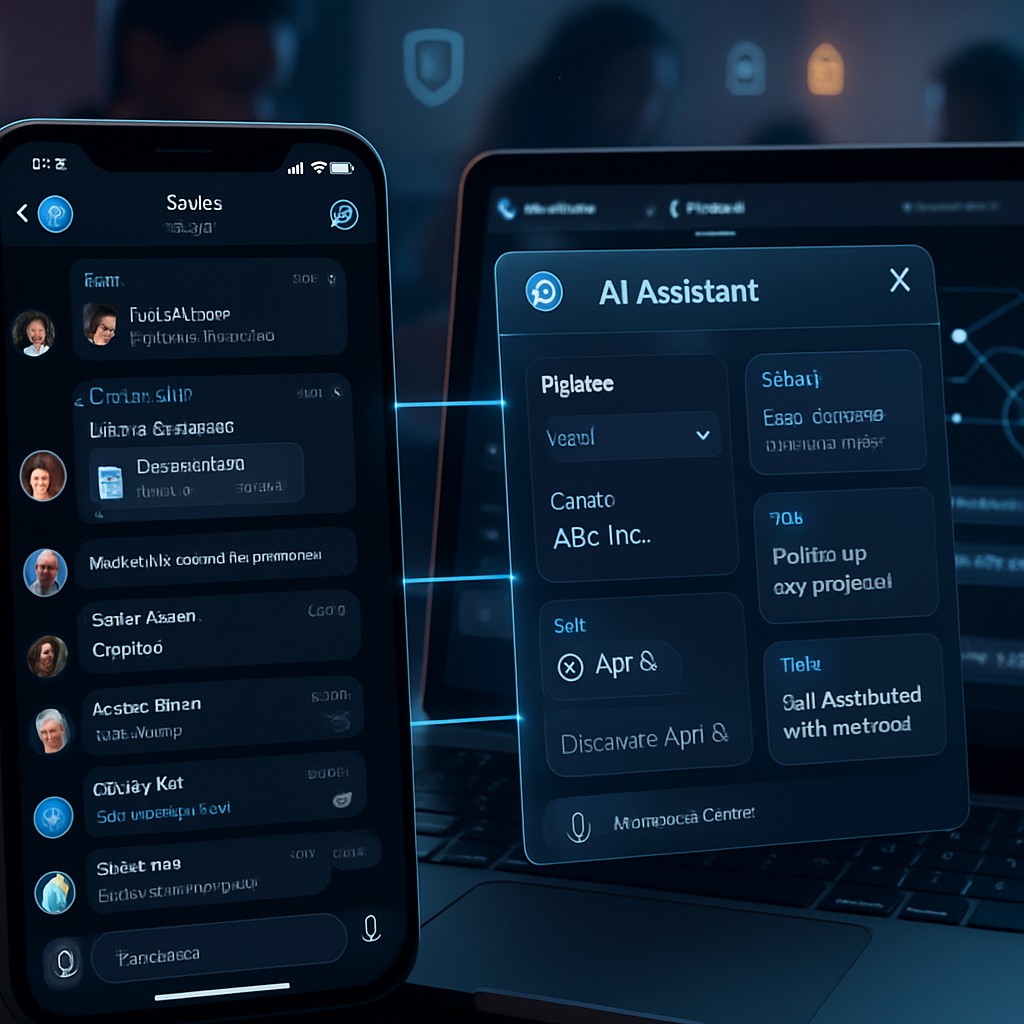
Teams building partnerships across the crypto and Web3 ecosystem increasingly coordinate on messaging apps like Telegram, but many still duplicate conversations and deal details into external CRM dashboards. That manual, copy‑paste workflow leaves gaps in deal data and increases exposure of sensitive information. Sean Assaf, Head of Business Development at Telebiz, says embedding AI-powered CRM capabilities directly inside Telegram can streamline business development and reduce reliance on traditional SaaS dashboards while helping preserve user privacy.
Messaging-First Workflows Strain Traditional CRMs
Telegram has become a default communications layer for token projects, exchanges, infrastructure providers, and venture teams. While this makes outreach and negotiation fast, it also pushes critical context—introductions, files, and decisions—into chat threads that are difficult to track in conventional CRMs.
Transcribing messages into external dashboards adds friction and contributes to incomplete records, missed follow-ups, and inconsistent reporting. It can also expand a team’s data surface area, as sensitive partner details move from private chats to third-party software environments.
AI-Powered CRM Inside Telegram
According to Assaf, embedding CRM functionality where conversations already occur can eliminate much of that overhead. By operating within Telegram, an AI-enabled CRM can capture relevant context from chats, unify notes and tasks alongside active threads, and reduce the need to export information to separate dashboards.
Keeping workflows inside the messaging app helps minimize manual data entry, improves pipeline accuracy, and supports privacy by limiting how often sensitive details are replicated across external tools. The approach is designed to preserve the speed of chat-based dealmaking while maintaining the structure expected from a CRM.
Why It Matters for Web3 Partnerships
Business development in crypto often involves fast-moving, multi-party discussions spanning group channels, DMs, and shared documents. An in-app CRM aims to consolidate that activity without interrupting the negotiation flow, giving teams better visibility into partner status, deliverables, and timelines.
For organizations balancing rapid outreach with data stewardship, a Telegram-native CRM can help close data gaps, reduce administrative overhead, and maintain greater control over sensitive information compared to sending conversations and contact records to external systems.
Outlook
As Web3 collaboration continues to center on messaging platforms, tooling that brings CRM structure directly into those environments is positioned to replace or significantly augment standalone dashboards. Assaf argues this shift can improve accuracy and accountability in partnership pipelines while aligning with privacy expectations common across crypto-native teams.