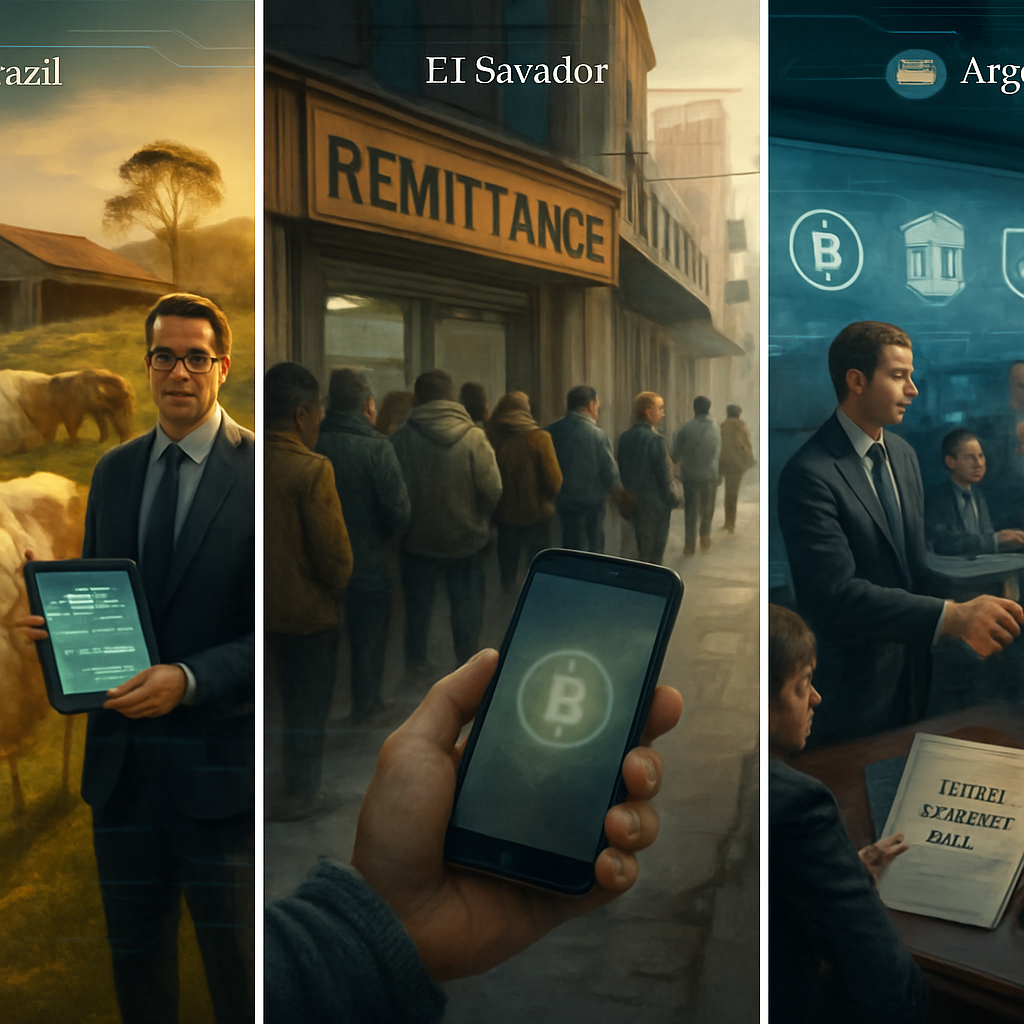
Latam Insights this week highlights three developments across the region: tokenized cattle were used as collateral for a loan in Brazil, crypto remittances in El Salvador continue to see limited adoption, and Argentina introduced a bill aimed at bringing digital assets into its formal financial system.
Brazil: Tokenized Cattle Used as Loan Collateral
In Brazil, a lender accepted tokenized cattle as collateral to back a loan, underscoring growing interest in real-world asset tokenization within agribusiness finance. Tokenized cattle are digital representations of livestock recorded on a blockchain, allowing ownership and related rights to be tracked and transferred with greater transparency.
The move points to broader experimentation in using on-chain assets to secure credit, potentially improving verification and monitoring of collateral in agricultural lending. Brazil’s active agrifinance sector has been a focal point for pilots that link physical assets to blockchain-based instruments.
El Salvador: Crypto Remittances See Limited Uptake
Crypto-based remittances in El Salvador have not gained significant traction despite the country’s push to integrate bitcoin into everyday payments. Most remittance flows continue to arrive through traditional channels, with limited use of crypto rails for cross-border transfers.
Adoption hurdles cited by market participants typically include price volatility, user experience challenges, and conversion frictions between digital assets and local currency. The trend suggests that for many senders and recipients, established money transfer methods remain the default.
Argentina: Bill Seeks to Bring Crypto Into Formal Finance
Argentina proposed legislation to incorporate crypto into the country’s financial system through a formal regulatory framework. The bill aims to define how digital asset activities fit within existing financial oversight, bringing service providers under clearer rules for operations and compliance.
If advanced, the framework would seek to provide greater regulatory certainty for companies and consumers, support oversight of crypto-related services, and facilitate integration of digital assets into regulated financial channels.
Together, these developments show Latin America’s varied approach to digital assets: expanding experimentation with tokenized real-world collateral in Brazil, slower consumer uptake for crypto remittances in El Salvador, and a push for comprehensive regulation in Argentina.