International: Top News And Analysis: Japan’s declining real wages upend Prime Minister Takaichi’s ‘Abenomics’ as inflation shrinks wallets
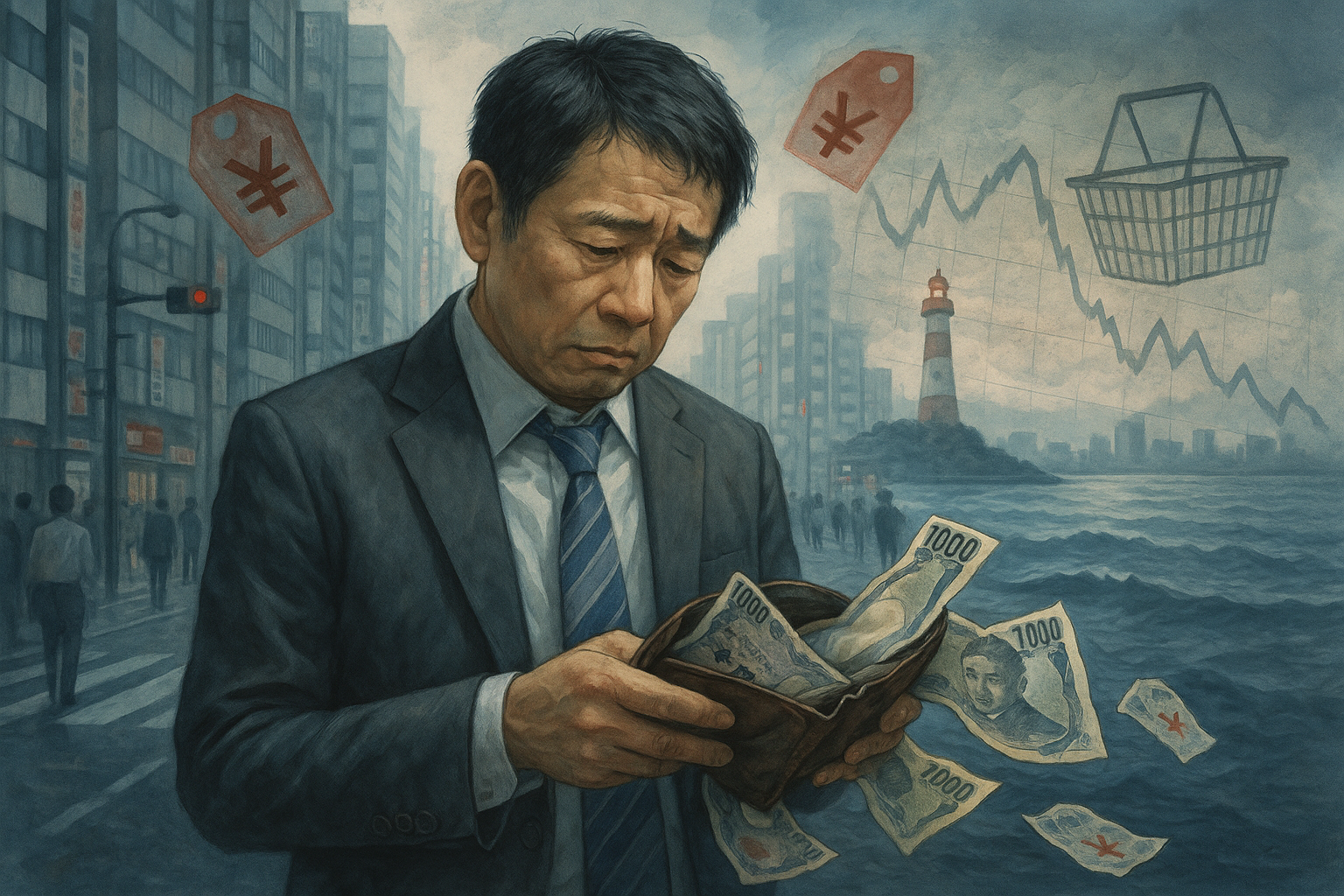
Real wages have not risen since 2021, underscoring the strain on household purchasing power.
What happened
Japan’s real wages, adjusted for inflation, have remained flat since 2021, challenging the economic strategies under Prime Minister Takaichi. This stagnation persists despite efforts reminiscent of Abenomics, the policies introduced by former Prime Minister Shinzo Abe to stimulate growth through monetary easing, fiscal spending, and structural reforms, as rising prices continue to erode workers’ earnings.
Why it matters
The lack of wage growth highlights broader economic pressures in Japan, where inflation is outpacing income increases, reducing household spending power and potentially slowing consumer-driven recovery. This situation raises questions about the effectiveness of current monetary policies, including those from the Bank of Japan, in addressing long-term inflation and wage dynamics in a global context.
Key points
- Real wages unchanged since 2021 amid persistent inflation.
- Prime Minister Takaichi’s policies echo Abenomics but face criticism for failing to boost purchasing power.
- Household strain could impact Japan’s overall economic stability.
What to watch next
Upcoming Bank of Japan policy decisions and government responses to wage trends will be key, along with any shifts in inflation rates that could influence household finances and broader economic reforms.
🔗 More insights at
Navigator’s News.
Source: original article