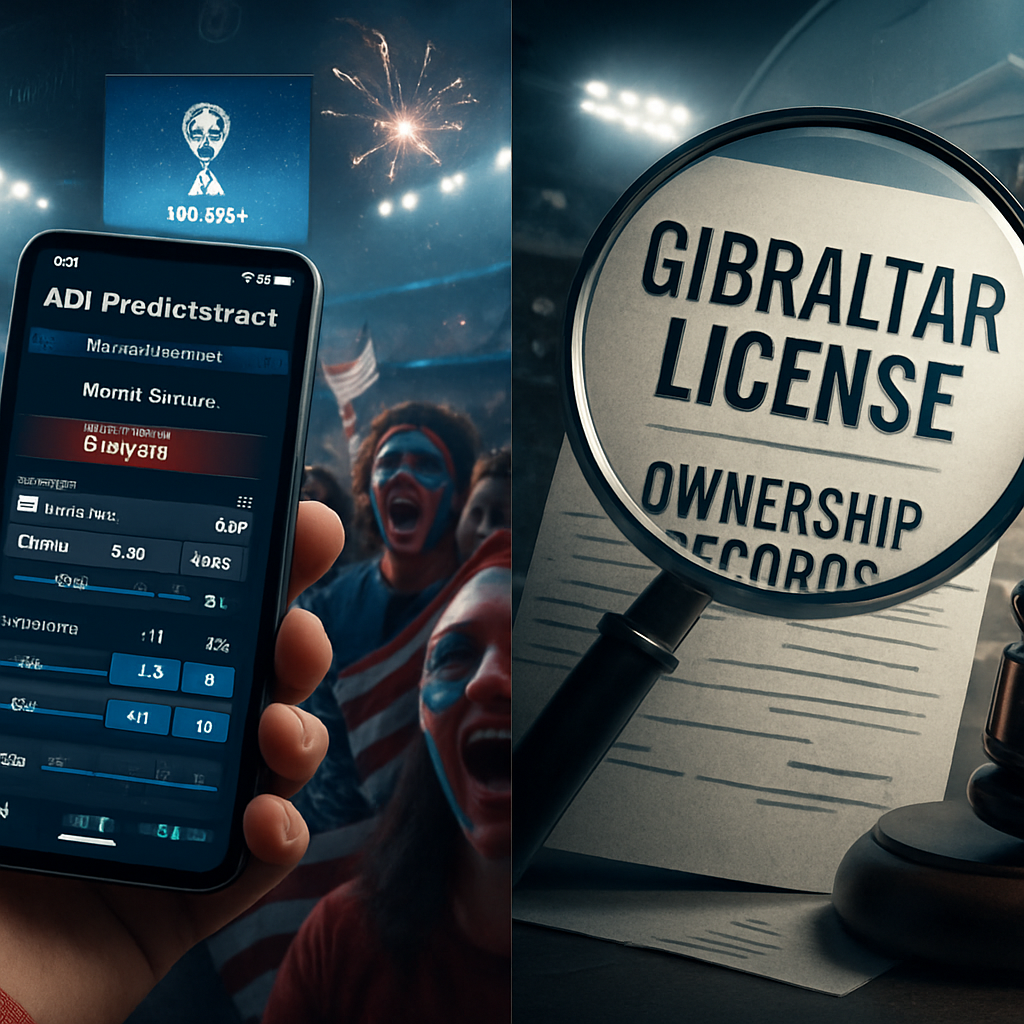
ADI Predictstreet, which describes itself as the official prediction market partner of the 2026 FIFA World Cup, has opened access to U.S. traders via Fanatics Markets just days before the tournament begins. The move brings a FIFA-branded prediction venue to American users as scrutiny over the platform’s Gibraltar licensing and ownership disclosures lingers.
Launch Targets U.S. Traders Ahead of World Cup
The platform went live in June, offering U.S. market access through Fanatics Markets ahead of the global football tournament’s kickoff. While detailed product specifics were not disclosed, the company’s positioning ties its markets to World Cup-related activity, aiming to capitalize on a surge in fan interest and wagering demand during the event.
Licensing and Ownership Scrutiny
The launch comes amid questions about ADI Predictstreet’s regulatory posture. The company has cited a Gibraltar license, but industry observers have noted a lack of publicly available detail about the authorization and the entities behind the platform. Clarifying the scope of its licensing and corporate structure will be central to assessing user protections, compliance standards, and the jurisdictions in which the platform can legally operate.
A Crowded U.S. Prediction Market Landscape
ADI Predictstreet enters a competitive U.S. field where interest in event and prediction markets has been rising. Crypto-native platforms such as Polymarket have drawn global traction but restrict most U.S. users due to regulatory constraints, while CFTC-regulated venues like Kalshi offer certain categories of event contracts under commodity derivatives rules. Traditional sportsbooks have also expanded prop-style offerings tied to sports outcomes across state-regulated markets, intensifying competition for user attention during major events like the World Cup.
What to Watch
- Regulatory clarity: How ADI Predictstreet’s Gibraltar authorization applies to its U.S. offering and what compliance measures are in place for American users.
- Transparency: Public disclosure of ownership and governance structures behind the platform.
- User safeguards: Details on KYC/AML controls, market integrity policies, and dispute resolution frameworks.
- Market traction: Adoption trends during the World Cup and whether FIFA-linked branding materially differentiates the platform in a crowded market.