Hyperliquid’s User Boom Pushes HYPE Toward $45

Wellermen Image

Hyperliquid’s User Boom Signals HYPE Token Rally to $45

Hyperliquid, the surging decentralized exchange (DEX), is exploding in popularity with a rapidly growing user base dominating the DEX space. This momentum is fueling predictions that its native HYPE token could blast past $45 soon. For traders and investors, it’s a classic sign of network effects kicking in—more users mean more volume, liquidity, and price upside.

The spark? Hyperliquid’s relentless expansion as a top-tier DEX, pulling in traders fed up with centralized exchange risks like hacks and outages. Key facts show user numbers skyrocketing, driving trading volumes to new highs and solidifying its edge in perpetuals and derivatives—without the middleman vulnerabilities. No major announcements here, just pure organic growth proving DeFi’s pull against TradFi gatekeepers.

Winners are clear: Hyperliquid builders and early HYPE holders cashing in on the flywheel, while centralized exchanges like Binance lose market share to this unstoppable DEX contender. Losers? Laggard competitors scrambling to catch up. Now, expect deeper liquidity pools and tighter spreads, making HYPE a risk-reward magnet for leveraged plays.

What This Means for Crypto

Think of Hyperliquid as DeFi’s rebel outpost—no KYC walls, just pure peer-to-peer trading on its custom Layer 1 chain. Users flock here for speed and self-custody, dodging CEX dramas like FTX’s collapse. It’s tech for regular folks: deposit crypto, trade perps with low fees, withdraw anytime—no bank telling you no.

Traders get immediate alpha from volume spikes; long-term investors bet on adoption as DEXes eat CEX lunch; builders fork its open-source playbook to launch killer apps. But it’s not magic—scaling pains like oracle risks still lurk.

Market Impact and Next Moves

Short-term sentiment screams bullish: user growth screams “FOMO incoming,” potentially pumping HYPE 2-3x from current levels toward $45 on pure hype and volume. Mixed signals if Bitcoin dumps, but DEX narrative shields it somewhat.

Key risks? Smart contract exploits or liquidity crunches during volatility—always watch on-chain metrics like TVL. No regulation hammer yet, but DEX scrutiny rises. Opportunities abound: HYPE looks undervalued versus on-chain traction, perfect for stacking during dips; watch for partnerships amplifying this user surge into mainstream adoption.

Hyperliquid’s user explosion isn’t noise—it’s the DEX revolution revving up; buy the growth, hedge the hacks.

Crypto Mom Peirce: Tokenized Securities Still Fall Under SEC Rules

Wellermen Image

SEC’s Crypto Mom Peirce Warns: Tokenized Assets Still Face Securities Rules

SEC Commissioner Hester Peirce, known as “Crypto Mom,” just dropped a reality check: tokenized securities remain firmly under securities laws, no matter the blockchain hype. Echoing ex-chair Gary Gensler’s tough stance, she’s urging crypto players to huddle with the SEC before launching anything that smells like a security. This isn’t a green light—it’s a reminder that innovation won’t dodge regulation.

The spark? Persistent confusion in crypto circles about whether slapping “tokenized” on real-world assets like stocks or bonds magically exempts them from SEC oversight. Peirce, a vocal crypto advocate who’s pushed for clearer rules like her famous “Safe Harbor” proposal, clarified this in recent remarks, directly channeling Gensler’s playbook.

What happened: She explicitly stated that “tokenized securities are still securities,” shutting down any wishful thinking. No new filings or enforcement actions detailed yet, but she called on market participants to “consider meeting with the Commission and its staff” proactively. Key fact: This aligns with Gensler’s era, where Howey Test decisions crushed projects mistaking tokens for utilities.

Who wins? Compliant builders and TradFi firms bridging to blockchain with proper disclosures—they get a path forward. Losers: Rogue tokenizers promising decentralized freedom while peddling unregistered securities, facing fines or shutdowns. Changes now: Expect more SEC meetings, slower tokenized launches, and heightened scrutiny on platforms like BlackRock’s BUIDL fund.

What This Means for Crypto

For the uninitiated, “tokenized securities” are real-world assets—like bonds or property—converted into blockchain tokens for easier trading. But Peirce’s words translate to: If it quacks like a security under the Howey Test (investment expecting profits from others’ efforts), it’s regulated like one—no blockchain loophole.

Traders get whiplash—hype around RWA (real-world asset) tokens like ONDO or MKR could cool if SEC meetings drag. Long-term investors? Safer bets on compliant projects, but slower growth for the sector. Builders must lawyer up early, turning “move fast” into “move compliant.”

Market Impact and Next Moves

Short-term sentiment: Bearish for pure RWA plays, as fear of SEC claws triggers sell-offs; Bitcoin holds steady, but altcoins tied to tokenization dip. Mixed overall—clarity reduces some fog, but enforcement risk looms.

Key risks: Regulatory crackdowns halting liquidity in tokenized markets, exchange delistings for non-compliant tokens, and leverage blow-ups if hype deflates. Scam potential rises with projects faking compliance.

Opportunities: Undervalued compliant RWAs with SEC blessings could moon on institutional inflows; watch on-chain growth in regulated wrappers. Long-term adoption accelerates for firms playing by the rules.

Tokenize wisely or face the SEC’s bite—compliance isn’t optional, it’s your edge in the next bull run.

RedotPay Raises $107M for Stablecoin Card Expansion October 10, 2024,2025-12-18T05:00:29.525Z


Crypto Briefing: RedotPay raises $107M to expand stablecoin cards and global payout network


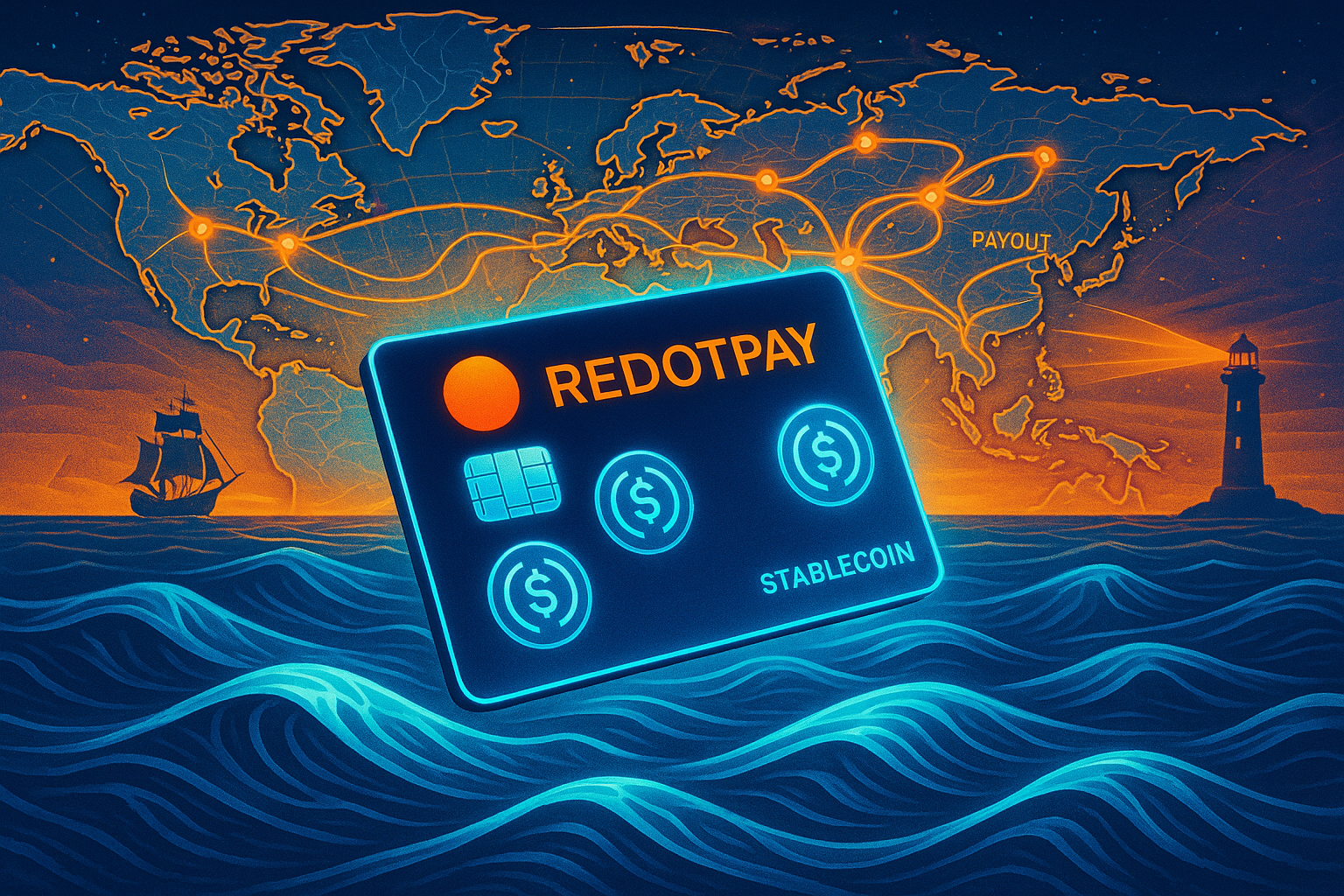
Illustration of RedotPay's stablecoin payments expansion with global network growth

RedotPay secures $107M Series B to expand its stablecoin payments platform, reporting rapid growth and broadening its global reach.

What happened

RedotPay, a platform specializing in stablecoin-based payments, has successfully raised $107 million in a Series B funding round. This investment will support the company’s efforts to grow its stablecoin card offerings and extend its international payout infrastructure.

Why it matters

Stablecoins provide a stable value pegged to fiat currencies, making them useful for everyday transactions in the crypto space. RedotPay’s expansion could make these digital assets more accessible for real-world spending and cross-border transfers, potentially increasing adoption among users and businesses worldwide.

Key points

  • $107 million raised in Series B funding to fuel platform development.
  • Focus on expanding stablecoin cards for easier crypto spending.
  • Broadening global payout network amid reports of rapid user growth.

What to watch next

As RedotPay rolls out new features, keep an eye on regulatory developments in key markets and how the platform integrates with emerging stablecoin technologies.

🔗 More insights at
Navigator’s News.

Source: original article

US Debt at $36.6T Sparks Recession Fears as Bitcoin Targets $95K

Wellermen Image

US Debt Hits $36.6T as Recession Fears Threaten Bitcoin’s Rally to $95K

Bitcoin surged to fresh all-time highs today, riding euphoric market momentum, but America’s ballooning $36.6 trillion debt and weakening housing data are flashing red recession warnings. Investors now brace for a potential BTC plunge back to $95,000 if macro cracks widen. This clash pits crypto’s bull run against real-world economic gravity—what breaks first?

The spark? U.S. national debt just ticked up to a staggering $36.6 trillion, fueled by endless spending and interest payments that now rival defense budgets. Layer on dismal housing starts and permits—key indicators of consumer confidence crumbling—and you’ve got classic recession signals screaming from the data. Bitcoin, oblivious at first, blasted past recent peaks on ETF inflows and institutional FOMO.

What happened next: BTC price rocketed amid the hype, but traders’ eyes snapped to these macro bombshells. Debt at this level risks higher yields, tighter Fed policy, and a risk-off stampede. Winners so far? Short-term bulls riding the wave. Losers? Anyone leveraged long without stops, as sentiment flips from greed to fear overnight. The landscape shifts: crypto’s “digital gold” narrative faces its ultimate stress test against fiat chaos.

What This Means for Crypto

For regular traders, this is simple: Bitcoin thrives in uncertainty but craters in outright recessions—think 2022’s brutal reset. Those ATH highs feel fragile now; expect volatility spikes as Wall Street recalibrates. Long-term holders (HODLers) get a reminder that BTC’s store-of-value thesis shines brightest when dollars debase, but only if the economy doesn’t implode first.

Builders and devs? Recession squeezes VC funding and user adoption, hitting DeFi yields and NFT hype hardest. But it could accelerate on-chain migration if TradFi falters—think more self-custody as banks wobble. No jargon here: rising debt means more money printing down the line, which historically pumps BTC like rocket fuel.

Market Impact and Next Moves

Short-term sentiment screams mixed—bullish inertia from today’s highs clashes with bearish macro thunder. Watch BTC hold $100K or risk a sentiment crush to $95K support. Key risks? Leverage blow-ups on exchanges if yields spike, plus correlated stock dumps dragging alts into the abyss.

Opportunities abound for the sharp-eyed: undervalued BTC at dip buys if recession fears prove overblown, or gold/BTC pairs as fiat hedges. On-chain metrics like ETF flows and whale accumulation signal resilient fundamentals—position for the rebound when panic sells exhaust. Regulation stays neutral here, but Fed whispers could ignite the next leg up.

Bitcoin’s dancing on a debt knife-edge—grab profits now, or bet big on chaos crowning a new king.

Hyperliquid Surges as HYPE Targets $45, DEX Perps Challenge Centralized Exchanges

Wellermen Image

Hyperliquid’s User Boom Eyes $45 HYPE Rally Amid DEX Surge

Hyperliquid, the high-octane decentralized exchange, is exploding in popularity with a surging user base that’s fueling whispers of a HYPE token breakout past $45. This isn’t just hype—real growth in the DEX arena signals a shift in crypto trading power from centralized giants to on-chain innovators. Investors are watching closely as momentum builds, potentially reshaping perpetuals trading.

The spark? Hyperliquid’s relentless expansion in the decentralized exchange (DEX) space, where it’s carving out dominance in perpetual futures trading without intermediaries. Key facts: daily active users are skyrocketing, on-chain volumes are hitting new highs, and the platform’s slick tech is pulling traders from competitors like dYdX and GMX. HYPE, its native token, has already shown resilience, but this user influx could ignite the next leg up.

Who wins? Hyperliquid builders and early HYPE holders cash in on network effects; liquidity providers see fatter fees. Losers? Legacy CEXs bleeding volume to permissionless alternatives. Now, expect tighter spreads, more sophisticated bots, and a blueprint for DEXs to challenge Binance’s throne— but only if they dodge oracle risks and regulatory side-eyes.

What This Means for Crypto

Think of Hyperliquid as a turbocharged crypto casino running entirely on blockchain—no KYC, no downtime, just pure trading speed. HYPE powers the ecosystem, earning yields from fees and governance votes, making it a bet on DEX supremacy over clunky centralized platforms.

Traders get low-latency perps with up to 50x leverage; long-term investors eye HYPE as a play on DeFi’s maturation, where user growth compounds value like Ethereum’s gas fees did years ago. Builders? This proves you can scale a DEX without VC overlords, inspiring copycats in every chain.

Market Impact and Next Moves

Short-term sentiment screams bullish—user metrics are lighting up charts, priming HYPE for a squeeze to $45 if volumes hold. Mixed signals if Bitcoin dumps, but DEX narrative shields it from macro noise.

Key risks: smart contract exploits or oracle fails could wipe liquidity; regulators might target high-leverage DEXs as “unlicensed casinos.” Scam potential low, but watch for fake HYPE forks.

Opportunities abound: undervalued HYPE at current levels with on-chain growth exploding; pair with L2 tokens for leveraged DEX bets. Long-term, this fuels adoption as retail flees CEX hacks.

Strap in—Hyperliquid’s user surge isn’t noise; it’s the DEX revolution knocking, and HYPE holders could ride it to the moon or watch competitors steal the show.

Trump Family-Backed WLFI Token Goes Tradable After 99% Governance Vote

Wellermen Image

Trump Family’s Crypto Venture Greenlights Governance Token Trading

World Liberty Financial, the DeFi project backed by Donald Trump’s family, just overwhelmingly approved making its governance token tradable with 99% voter support from billions of tokens. This move thrusts a politically charged crypto play into open markets, potentially supercharging its visibility amid election-year hype. Investors are watching closely as Trump-linked assets test the waters of mainstream adoption.

The spark? World Liberty Financial (WLFI), a DeFi platform launched last year with direct backing from Donald Trump Jr., Eric Trump, and other family members, positioning it as a “America First” alternative to traditional finance. On Wednesday, they kicked off a governance vote to lift restrictions on trading the WLFI token, which has been locked to insiders and early supporters. By publication, over five billion tokens—representing massive holder turnout—pushed approval past 99%, sealing the deal in record time.

Key facts: WLFI’s total supply exceeds 100 billion tokens, with this vote unlocking liquidity for a token that’s already drawn scrutiny for its opaque launch and family ties. Winners include early holders cashing in on newfound tradability and the Trump brand, which could rally retail FOMO. Losers? Regulators eyeing political crypto conflicts, plus any bagholders if hype fades post-launch. Now, exchanges will likely list it soon, shifting WLFI from governance gimmick to speculative asset.

What This Means for Crypto

For regular traders, this translates to a fresh Trump-themed token hitting exchanges—think MAGA momentum meets DeFi yields, but with real politics baked in. Long-term investors get exposure to a narrative blending family influence and blockchain, though it’s more meme than tech powerhouse right now. Builders in the space see validation for governance tokens, but a warning: high-profile backing amplifies both upside and SEC glare.

Plain speak: Governance tokens like WLFI let holders vote on project decisions, similar to shareholder shares but on-chain. Making it tradable means you can buy/sell freely, spiking volatility as speculators pile in.

Market Impact and Next Moves

Short-term sentiment screams bullish—Trump family buzz could ignite a meme-coin style pump, especially if U.S. elections heat up, drawing normie capital into crypto. Expect 2x-5x gains on listing hype, but mixed if broader market dumps.

Risks loom large: Regulatory crackdown on political tokens (SEC already sniffing), plus rug-pull fears given insider-heavy supply and limited transparency. Liquidity traps or exchange delistings could crush leveraged longs.

Opportunities shine in undervalued political narratives—pair WLFI trades with election odds for asymmetric bets. Strong on-chain growth potential if DeFi utility delivers, positioning it for long-term adoption in a polarized world.

Trump’s crypto empire just went public—bet big on the hype, but brace for the backlash.

Hyperliquid’s User Boom Sends HYPE to $45 as DEX Dominance Sparks Rally

Wellermen Image

Hyperliquid’s User Boom Sparks HYPE Token Rally to $45

Hyperliquid, the high-octane decentralized exchange, is exploding in popularity with a surging user base dominating the DEX space. This momentum could propel its native HYPE token back above $45, rewarding early believers amid a choppy crypto market. For investors, it’s a classic tale of adoption driving price action—watch for fireworks.

What ignited this buzz? Hyperliquid has been carving out a massive slice of the decentralized derivatives market, pulling in traders tired of centralized exchange headaches like FTX’s collapse. Its on-chain perpetuals platform offers lightning-fast trades without KYC nonsense, fueling organic growth as DeFi natives flock to its superior liquidity pools.

The numbers don’t lie: user counts are skyrocketing, with daily active wallets hitting new highs and trading volumes rivaling top CEXs. HYPE, the token powering fees and governance, has already bounced from recent lows, but analysts eye $45 as the next resistance— a level it smashed during the last bull leg. Winners here are Hyperliquid builders and HYPE holders; losers are lagging DEXs like dYdX losing market share.

Now the landscape shifts: Hyperliquid’s edge cements it as a DeFi leader, forcing competitors to innovate or fade. Expect more integrations, like wallet expansions, amplifying network effects that stick users for the long haul.

What This Means for Crypto

Strip away the jargon: Hyperliquid is a DEX for betting on crypto prices (perps) directly on the blockchain—no middleman, no custody risks. It’s like Robinhood on steroids, but decentralized, appealing to pros who want speed without trusting exchanges.

Traders get a volatility playground with deep liquidity, perfect for scalping rallies. Long-term investors see HYPE as a bet on DeFi’s future, where user growth translates to token capture via fees. Builders? This proves scalable Layer 1s like Hyperliquid’s can outpace Ethereum L2s in real-world use.

For everyday holders, it underscores adoption over hype—real users mean real demand, reducing rug-pull fears plaguing meme coins.

Market Impact and Next Moves

Short-term sentiment screams bullish for HYPE, with user metrics igniting FOMO amid Bitcoin’s sideways grind. Expect leveraged longs piling in, pushing volatility higher.

Key risks loom: DEX hacks remain a shadow (though Hyperliquid’s track record shines), plus regulatory heat on perps could spook retail. Liquidity crunches in bear turns might trap over-leveraged traders.

Opportunities abound in undervalued DeFi narratives—HYPE’s on-chain growth screams fundamentals, positioning it for 2-5x if altseason kicks off. Pair with strong stables for low-risk exposure to DEX dominance.

Hyperliquid’s user surge isn’t noise—it’s the adoption signal smart money chases before the herd arrives.

Chinese Creditor Challenges FTX’s Bid to Block Payouts in Restricted Nations

Wellermen Image

Chinese Creditor Fights FTX’s Bid to Block Payouts in Restricted Nations

A Chinese creditor has fired back at FTX’s latest bankruptcy maneuver, challenging the exchange’s motion to halt repayments to users in 14 restricted countries including China, North Korea, and Russia. This clash threatens to delay the already long-awaited creditor payouts from the collapsed crypto giant’s $16 billion recovery plan. Investors watching closely as global tensions collide with bankruptcy proceedings.

The drama reignited when FTX’s legal team filed a motion in U.S. bankruptcy court to pause distributions to residents of nations under U.S. sanctions or strict export controls. Citing compliance risks and potential violations of U.S. law, FTX argued that sending funds to these blacklisted regions could expose the estate to penalties. This affects a small but vocal group of international claimants, sparking immediate pushback.

Enter the Chinese creditor, who swiftly opposed the motion, arguing it unfairly singles out non-U.S. users and ignores the estate’s obligations under international bankruptcy rules. Key facts: FTX has clawed back over $16 billion in assets, with plans to repay most unsecured creditors at 118-143% of claims. The dispute highlights who wins (U.S.-compliant claimants get priority) and who loses (restricted-country users face indefinite delays), potentially reshaping the final payout timeline.

What This Means for Crypto

FTX’s move boils down to dodging U.S. regulatory landmines—sanctions mean no business with places like China or Russia, even in bankruptcy. For everyday traders who lost funds on FTX, this is a reminder that your recovery depends on where you live; non-U.S. folks in gray zones get squeezed first.

Long-term investors see the bigger picture: crypto estates must navigate a patchwork of global laws, making full repayments a geopolitical chess game. Builders and exchanges take note—design platforms with ironclad KYC and geo-fencing from day one to avoid this mess.

Market Impact and Next Moves

Short-term sentiment leans bearish for FTX token holders and legacy claimants, as court battles breed uncertainty and could drag payouts into 2025. Mixed signals overall—no systemic crypto crash, but it fuels distrust in centralized exchanges.

Key risks include regulatory whiplash if courts side against FTX, opening floodgates for sanctioned payouts and SEC scrutiny. Liquidity stays tight for affected creditors, with scam artists likely circling distressed claims.

Opportunities emerge for vigilant investors: undervalued recovery narratives in other bankruptcies like Mt. Gox, plus on-chain growth in compliant DeFi protocols that sidestep these headaches.

One court’s ruling could unlock billions—or lock them away forever; position accordingly before the gavel drops.

XRP Eyes New Highs as Ripple Hits US Senate Web3 Summit

Wellermen Image

XRP Eyes New Highs as Ripple Hits US Senate Web3 Summit

Ripple is stepping into the spotlight at the US Senate’s “From Wall Street to Web3” summit next week, fueling fresh buzz around XRP’s price charts. Technical indicators are flashing bullish signals for new all-time highs, as investors bet on regulatory clarity and mainstream adoption. This high-profile event could be the spark that reignites XRP’s rally amid broader crypto optimism.

The news kicks off with XRP’s price action screaming upside potential—charts showing classic breakout patterns that savvy traders can’t ignore. Ripple, the powerhouse behind XRP and a payments protocol giant, confirmed its participation in the Senate-hosted summit. This isn’t just another conference; it’s a bridge from traditional Wall Street finance to decentralized Web3, putting Ripple front and center with lawmakers and industry leaders.

What actually happened? Ripple announced its attendance, spotlighting its role in cross-border payments and blockchain innovation. No major deals or announcements yet, but the timing aligns with XRP’s recent chart strength—trading above key moving averages with volume spiking. Winners here are XRP holders and Ripple execs gaining political face time; losers might be skeptics who’ve dismissed XRP as “SEC bait” post-lawsuit. Now, expect heightened scrutiny on Ripple’s regulatory wins and how they translate to token value.

What This Means for Crypto

For regular traders, this summit means XRP could ride a sentiment wave—think less about complex ledger tech and more about Ripple schmoozing senators for friendlier rules. Long-term investors get a nod to real-world utility: XRP’s speed for global transfers beats legacy systems like SWIFT, and Senate exposure validates that.

Builders in the space? Ripple’s presence signals Web3’s push into policy circles, potentially unlocking partnerships or grants. No jargon here—it’s about turning “maybe legal” into “definitely bankable,” lowering the fog of uncertainty that’s haunted XRP since the SEC clash.

Market Impact and Next Moves

Short-term sentiment is straight bullish: XRP pumps on news like this, drawing retail FOMO and whale accumulation. Watch for a quick 10-20% pop if summit soundbites go viral, but mixed signals from broader alts could cap gains.

Key risks linger—regulatory whiplash if senators grill Ripple on past SEC drama, or liquidity dries up on exchange delistings. Yet opportunities scream: undervalued XRP narrative around payments adoption, with on-chain metrics showing steady growth in remittances. Long-term bulls eye $3+ if Web3 policy tilts pro-crypto.

Position for the summit hype, but hedge against DC drama—XRP’s breakout isn’t guaranteed, but the momentum feels electric.

China Lowers Anti-Dumping Tariffs on EU Pork Imports December 16, 2024,2025-12-17T22:00:58.788Z


International: Top News And Analysis: China lowers anti-dumping tariffs on European pork exporters


Global trade relations between China and the European Union, focusing on agricultural exports like pork

China on Tuesday announced lower duties on pork imports and pig by-products from the European Union.

What happened

In a move signaling easing trade tensions, China has decided to reduce its anti-dumping tariffs on pork and related pig products imported from the European Union. This adjustment comes after a review of existing measures aimed at protecting domestic markets from what authorities previously viewed as unfairly priced foreign goods.

Why it matters

The tariff reduction could boost exports for European pork producers by making their products more competitive in China’s massive market. For global trade, this step highlights ongoing efforts to balance protectionism with open commerce, potentially influencing agricultural sectors and related supply chains in both regions.

Key points

  • China’s announcement targets pork imports and pig by-products specifically from EU countries.
  • The change involves lowering previously imposed anti-dumping duties.
  • This development reflects a review of trade measures between China and the EU.

What to watch next

Observers will monitor how this tariff adjustment affects EU export volumes to China and whether it leads to further negotiations on agricultural trade. Any retaliatory or reciprocal actions from other markets could also shape the broader impact on global food trade dynamics.

🔗 More insights at
Navigator’s News.

Source: original article

Trump-Backed WLFI Governance Token Cleared for Trading, Unlocking DeFi Liquidity

Wellermen Image

Trump-Backed Crypto Venture Greenlights Governance Token Trading

World Liberty Financial, the DeFi platform tied to the Trump family, just voted overwhelmingly to make its $WLFI governance token tradable on exchanges. With over 99% approval from 5 billion tokens, this move could unlock massive liquidity and propel the project into the spotlight. For crypto investors, it’s a high-stakes bet on political branding meeting blockchain utility.

The spark? World Liberty Financial (WLFI), a DeFi lending and borrowing platform launched last year with heavy Trump family involvement—think Donald Trump Jr. and Eric Trump as key backers. It positions itself as a “real yield” alternative to traditional finance, emphasizing stablecoins and cross-chain access.

Voting kicked off Wednesday on a proposal to lift transfer restrictions, allowing $WLFI holders to trade freely. By publication, it crushed with 99%+ yes votes from roughly 5 billion tokens— that’s near-unanimous community buy-in. No major opposition surfaced, signaling strong internal momentum.

Who wins? Trump-aligned investors and early $WLFI holders score big with sudden liquidity after months of lockups. The project gains legitimacy as a tradable asset, potentially drawing retail hype. Losers? Skeptics of political crypto tie-ins might see diluted credibility if it flops amid ethics scrutiny. Now, exchanges could list it fast, shifting WLFI from governance gimmick to market player.

What This Means for Crypto

In plain terms, governance tokens like $WLFI let holders vote on project decisions—think upgrading code or adding features. Making it tradable turns it from a “vote-only” chip into buyable stock, luring speculators who care less about votes and more about price pumps.

Traders get a fresh narrative play tied to U.S. politics—bullish if Trump vibes dominate 2025 sentiment. Long-term investors weigh the risk of regulatory heat on family-backed crypto; builders in DeFi see a blueprint for blending celebrity with on-chain yield.

For everyday users, it’s stablecoin lending without banks, but Trump branding amps the drama—opportunity if it scales, headache if politics poison the well.

Market Impact and Next Moves

Short-term sentiment screams bullish: expect $WLFI listings to spark FOMO pumps, especially with 5B tokens eyeing freedom. Broader DeFi could ride the wave if yield narratives heat up.

Key risks loom large—regulatory backlash from Trump-family ties could trigger SEC probes or delistings; liquidity floods might crash prices if whales dump. Political volatility adds leverage blow-up potential in a polarized market.

Opportunities shine in undervalued political crypto plays—strong on-chain adoption for real yield could fuel 10x narratives. Watch for exchange announcements; accumulate if you buy the family hype, but size bets small amid election noise.

Trump’s crypto push just went liquid—bet big on the brand or brace for the backlash.

Philippines Crypto Boom: High Pay, Low Costs Fuel Remote-Work Adoption

Wellermen Image

Philippines Crypto Boom: High Salaries, Low Costs Fuel Adoption

Deep in the Philippines’ crypto scene, locals are cashing in on remote gigs paying Australian-level wages—while living costs a fraction. This disparity is supercharging blockchain jobs and crypto remittances, turning the archipelago into a hotspot for digital finance talent. For investors, it’s a signal of real-world crypto utility in emerging markets.

The spark? Explosive growth in remote work for crypto firms, with Filipinos snapping up roles from developers to customer support. A Cointelegraph deep dive highlights how developers here earn salaries rivaling Sydney’s, yet daily expenses like rent and food cost peanuts by comparison—one quote nails it: “When you realize the difference in purchasing power it’s like ‘Yes, they are earning much, much less than an Australian salary’. But it also costs much, much less, to live here.”

Key facts paint the picture: Blockchain jobs surged amid global hiring frenzies post-2020 bull run, with platforms like Upwork flooded by Filipino talent. Remittances via crypto apps like Coins.ph have exploded, bypassing slow banks. Winners: Local workers building wealth fast, crypto projects accessing cheap skilled labor. Losers: Traditional finance firms losing ground. Now? More on-chain activity from PH wallets, boosting network effects for tokens like $PHB or regional plays.

What This Means for Crypto

For regular folks new to crypto: Purchasing power parity is key—$2,000/month feels like $10,000 in Manila versus Melbourne, letting devs stack sats while companies save 50-70% on payroll. No jargon: It’s remote work meeting blockchain, where Filipinos handle everything from smart contracts to NFT minting.

Traders get short-term pumps from adoption narratives; long-term investors see sustained growth in user bases for utility tokens. Builders win big—hire a full team for Sydney prices and watch innovation explode in DeFi and Web3 apps tailored to SEA markets.

Market Impact and Next Moves

Sentiment skews bullish: Stories like this ignite FOMO on emerging market tokens, potentially lifting $PHX or $MOVR proxies short-term as volume spikes.

Risks loom in regulation—PH’s BSP is crypto-friendly but could tighten remittance rules; plus currency volatility hits peso earners. Watch for scam jobs luring talent into rug pulls.

Opportunities scream: Bet on on-chain growth in PH-heavy chains like Solana or Polygon; undervalued plays in remittance tokens could 5x on adoption waves. Fundamentals shine—real utility trumps hype.

Grab the coffee and scout SEA talent narratives—they’re the quiet force reshaping crypto’s global map before the herd arrives.

Crypto Mom Peirce: Tokenized Securities Still Under SEC Rules

Wellermen Image

SEC’s Crypto Mom Peirce Warns: Tokenized Assets Still Face Security Rules

SEC Commissioner Hester Peirce, known as “Crypto Mom,” just dropped a reality check: tokenized securities remain firmly under securities laws, no matter the blockchain hype. Echoing ex-chair Gary Gensler’s stance, she’s urging crypto players to sit down with the SEC before launching anything that smells like a security. This cuts through the noise—innovation’s fine, but ignore regs at your peril.

The spark? Ongoing debates around tokenization, where real-world assets like stocks or bonds get wrapped in blockchain for faster trading. Peirce, a vocal crypto advocate, clarified in recent remarks that slapping tokens on securities doesn’t magically exempt them from SEC oversight. She specifically nodded to Gensler’s playbook, pushing market participants to “consider meeting with the Commission and its staff” to avoid nasty surprises.

Key facts are blunt: no numbers or deadlines dropped, but the message is clear—tokenized versions of traditional securities trigger full Howey Test scrutiny. Winners? Compliant projects building with SEC blessings, like BlackRock’s tokenized funds. Losers? Rogue issuers hawking “decentralized” securities without clearance, facing enforcement hell. Now, expect more pre-launch huddles, slowing wild-west token drops but stabilizing the space for real adoption.

What This Means for Crypto

Forget jargon: the Howey Test boils down to “investment with expectation of profits from others’ efforts”—if your token fits, it’s a security needing SEC registration. Tokenization tech is hot for efficiency, but Peirce says it doesn’t rewrite laws; it’s still regulated like stocks.

Traders get whiplash—hyped tokens could pump on “RWA” narratives then crash on SEC slaps. Long-term investors? Safer bets on licensed platforms. Builders must lawyer up early, turning compliance from hurdle to moat against copycats.

Market Impact and Next Moves

Short-term sentiment: mixed to bearish for unregulated RWA tokens, as fear of SEC claws spooks leveraged plays. Bitcoin and majors shrug it off, but altcoin tokenizers dip.

Risks scream louder—regulatory crackdowns, delistings, or lawsuits could liquidate overleveraged positions. Liquidity dries up for gray-area assets. Opportunities shine in on-chain growth for SEC-vetted tokenized treasuries, undervalued for patient money eyeing trillions in TradFi migration.

Watch for issuer-SEC meetings spiking; first approvals signal green lights for blue-chip tokenization.

Play smart: tokenize with permission, or watch regulators tokenize your dreams into dust.

Trump-Backed WLFI Makes Governance Token Tradable on Exchanges

Wellermen Image

Trump-Backed Crypto Venture Greenlights Governance Token Trading

Trump family-backed World Liberty Financial has overwhelmingly approved a proposal to make its governance token tradable on exchanges, with over 99% support from nearly five billion tokens. This pivotal vote, launched Wednesday, marks a shift from locked utility to open market trading. Investors are watching closely as this ties political influence directly to crypto liquidity and price action.

The spark comes from World Liberty Financial (WLFI), a DeFi platform launched with heavy backing from Donald Trump and his family, positioning itself as a “America-first” crypto powerhouse. The governance token, previously restricted to protocol voting and rewards, has been the project’s core utility asset—holding significant sway over decisions like this one.

Voting kicked off Wednesday and blew past thresholds fast: at publication, 99%+ approval from roughly five billion tokens signaled unanimous community buy-in. If finalized, trading unlocks massive liquidity, letting holders cash out or speculate freely. Trump affiliates win big on visibility and potential token pumps, while skeptics lose ground amid fears of political pump-and-dump schemes; the market now pivots to exchange listings and real-world trading volume.

What This Means for Crypto

In plain terms, a governance token is like shareholder stock in a blockchain project—it lets holders vote on upgrades or changes, but until now, WLFI’s couldn’t be bought or sold openly. Making it tradable turns it into a speculative asset, blending DeFi mechanics with meme-like hype from Trump branding.

Traders get immediate play: quick flips on listing pops. Long-term investors eye adoption if WLFI delivers on stablecoin and lending promises, but builders face heightened scrutiny—regulators could probe “political crypto” for conflicts or unregistered securities.

For everyday users, this democratizes access but amps up risk: tokens tied to one family mean volatility from headlines, not just tech.

Market Impact and Next Moves

Short-term sentiment screams bullish—Trump linkage fuels FOMO, potentially spiking WLFI and related political tokens like $TRUMP amid election buzz. Expect listing announcements to ignite 2-5x pumps, mirroring past celeb-backed launches.

Key risks loom large: SEC could classify it as a security given Trump ties, triggering delistings or lawsuits; liquidity traps or insider dumps add exchange risk. Broader market contagion if it flops could sour “meme governance” narratives.

Opportunities shine for undervalued political crypto plays—strong on-chain voting signals real community, hinting at adoption if macro tailwinds like pro-crypto policy hit. Watch for volume surges as a buy signal.

Trump’s crypto empire just got tradable—bet big or brace for the political volatility ahead.

MetaMask Integrates Bitcoin: Buy, Swap, Transfer BTC October 10, 2023,2025-12-17T15:00:49.994Z


Crypto Briefing: MetaMask adds Bitcoin support, enabling BTC buying, swapping, and transferring


MetaMask wallet interface showing Bitcoin integration for buying, swapping, and transferring BTC

MetaMask’s new Bitcoin support allows users to buy, swap, and transfer BTC right inside the wallet, with options for various payment methods.

What happened

Popular cryptocurrency wallet MetaMask has integrated Bitcoin functionality, letting users handle BTC transactions directly through the app. This update supports purchasing Bitcoin with multiple payment options, swapping it for other assets, and sending or receiving it seamlessly.

Why it matters

This expansion bridges Ethereum-based tools with Bitcoin, the original cryptocurrency, making it easier for users to manage multiple assets in one place. It could simplify workflows for those dealing with both ecosystems, potentially boosting adoption among non-technical users who prefer a unified interface.

Key points

  • Direct BTC buying within MetaMask using various payment methods like cards or bank transfers.
  • Seamless swapping between Bitcoin and other cryptocurrencies supported by the wallet.
  • Easy transferring of BTC to and from external addresses, enhancing portability.

What to watch next

Keep an eye on how this integration affects user migration from dedicated Bitcoin wallets and any upcoming features that might expand cross-chain compatibility further.

🔗 More insights at
Navigator’s News.

Source: original article

×