Exodus Signs W3C Deal, Builds Stable Full Payments Stack

Exodus Movement has signed a definitive agreement to acquire W3C Corp, the parent company of payments firms Monavate and Baanx, in a $175 million transaction designed to bring card issuing and processing in-house and build an end-to-end crypto payments stack. The deal, financed with cash on hand and a facility from Galaxy Digital secured by Exodus’ Bitcoin holdings, is expected to close in 2026 pending regulatory approvals in the U.S., U.K., and EU.

Deal terms and financing

  • Purchase price: $175 million
  • Financing: Cash on hand and financing from Galaxy Digital, secured by Exodus’ Bitcoin holdings
  • Regulatory timeline: Closing projected in 2026, subject to approvals in the U.S., U.K., and EU
  • Card networks: Exodus expects to issue payment cards via Visa, Mastercard, and Discover once integrated

Building an end‑to‑end payments stack

Exodus said the acquisition would enable it to control card issuing and processing capabilities “from wallets to cards,” reducing reliance on third parties and bringing payments infrastructure in-house. W3C’s subsidiaries, Monavate and Baanx, provide card issuance and payments processing that Exodus plans to integrate with its self-custody wallet and exchange offerings.

The company aims to expand support for additional digital assets after the deal closes, with a focus on major payment stablecoins. By integrating issuing and processing across the U.S., U.K., and EU, Exodus expects to broaden its geographic reach and offer consumers and businesses more ways to store and spend payment stablecoins.

Stablecoin demand and enterprise use

Exodus cited rising demand for on-chain payments, noting that stablecoin payment volumes increased by 70% from February to August 2025, with nearly two-thirds of that volume driven by B2B transactions. The company said a broader payments offering is intended to diversify revenue with more recurring, usage-based income aligned with everyday digital dollar activity.

For enterprise clients, Exodus plans to extend W3C capabilities to its XO Swap infrastructure, enabling features such as embedded programmable payouts and turnkey card issuance. XO Swap, which supports partners including MetaMask and Ledger, accounted for 37% of all exchange provider volume in October 2025, unchanged from September.

Analyst view and market context

Brokerage firm Benchmark called the transaction Exodus’ most transformational move to date and said it could position the company as a first self-custody crypto wallet with a full end-to-end payments stack. The deal comes as major payment networks increase their focus on stablecoins and blockchain-based settlement, and as crypto-native firms compete with fintechs by embedding programmable payouts and on-chain payment rails.


Aptos’ APT Falls Behind Crypto Markets

Crypto markets swung sharply this week, with broad-index gains midweek giving way to a late-week pullback, while Aptos (APT) showed mixed signals across price action and on-chain activity.

Market Overview: Index Gains Fade Into Sell-Off

The CoinDesk 20, a benchmark of large, liquid digital assets, rose to 2,954.76 on Wednesday, up 4.4% from 4 p.m. ET the prior day. By Thursday, the index fell to 2,667.21, down 4.0% from 4 p.m. ET, reflecting renewed risk-off sentiment across crypto.

Bitcoin’s retreat to its lowest level since April underscored the risk backdrop, with broader equities also softening as global technology leaders warned of potential “irrationality” in parts of the AI boom. Within digital assets, Bitcoin Cash (BCH) fell 7% and Ripple (XRP) dropped 4.7%, leading the index lower during the latest leg down.

Recent drawdowns erased more than $1 trillion in total crypto market value over a span of weeks, according to multiple market trackers, highlighting the sector’s continued sensitivity to macro conditions and liquidity.

Aptos: Price Action Diverges From On-Chain Momentum

Aptos (APT) featured among notable movers. The token gained 5.3% from Monday at one point this week, yet price context remained fragile after earlier losing support near $3.50 and dipping toward $2.30. In recent trading, APT was quoted around $2.96, placing it at No. 43 by market capitalization with approximately 733.5 million APT in circulation and a market value near $2.17 billion, based on recent market data.

On-chain and activity metrics for Aptos have softened. Decentralized exchange (DEX) volume fell from $4.77 billion in October to $1.52 billion in November, coinciding with price pressure. Activity indicators point to weakening user engagement and ebbing on-chain demand into late Q4.

Network performance metrics also reflected a slower cadence through 2025, with reports indicating reduced throughput versus midyear levels. Market participants continue to monitor planned network upgrades and security improvements as potential catalysts for a stabilization or recovery in usage and fees, though timelines and impacts remain uncertain.

Rotation and Relative Performance Across Majors

Performance dispersion remained pronounced across large-cap tokens. In a recent stress period, Sui (-1.32%) and Ethereum (-6.92%) saw comparatively modest declines, while Solana (-37.43%), Ton (-32%), BNB Chain (-31.25%) and Aptos (-27.98%) posted steeper drops. The skew highlights ongoing rotation as liquidity consolidates in higher-conviction narratives and away from higher-beta assets during sell-offs.

Institutional infrastructure continues to develop around digital assets. CoinDesk Indices, an FCA-authorized benchmark administrator, has expanded regulated crypto benchmarks designed for professional workflows, providing advisors and institutions with structured pathways beyond Bitcoin. More broadly, the integration of crypto into corporate balance sheets accelerated in 2025, with participation most visible across Financials, DeFi, and AI-related blockchain projects.

Outlook and Risk Considerations

Market sentiment remains fragile following the recent broad-based decline. Forecasts for individual tokens vary widely: for example, some third-party models estimate TNSR could trade in a $0.06–$0.11 range in 2025, underscoring the high uncertainty around price targets for newer assets. Forward-looking estimates should be treated cautiously given crypto’s volatility, evolving liquidity conditions, and the potential for regulatory or macro catalysts to quickly change market direction.

Near term, investors are watching whether index heavyweights stabilize and if on-chain activity in ecosystems like Aptos can recover from November’s lows. Sustained improvements in network usage, liquidity, and risk appetite would be needed to support a broader rebound across digital assets.

ANPA Invests $50M in EDU Tokens for Blockchain Education October 10, 2024,2025-11-25T09:43:27.144Z


Nasdaq-Listed ANPA Commits Up to $50M to EDU Tokens in Collaboration with Open Campus and Animoca Brands


Illustration of blockchain investment in education technology partnerships

A major investment from Nasdaq-listed ANPA into EDU tokens signals a push toward transforming education finance with blockchain’s transparency and inclusivity.

What Happened

Nasdaq-listed ANPA has announced a partnership with Open Campus and Animoca Brands, planning to invest up to $50 million in EDU tokens. This collaboration aims to leverage blockchain to enhance educational platforms and funding mechanisms.

Why It Matters

By integrating blockchain into education finance, this investment could foster greater access to learning resources worldwide. It highlights how decentralized technology might reduce barriers, ensuring more equitable distribution of educational opportunities through transparent systems.

Key Points

  • ANPA, a publicly traded company on Nasdaq, is committing significant capital to blockchain-based education initiatives.
  • The partnership involves Open Campus, focused on educational tech, and Animoca Brands, a leader in blockchain gaming and investments.
  • EDU tokens are central to the deal, potentially supporting decentralized learning ecosystems.

What to Watch Next

Observers should monitor how the investment unfolds, including token distribution timelines and any regulatory developments affecting blockchain in education. Updates on project milestones from the partners could provide further clarity on implementation.

🔗 More insights at
Navigator’s News.

Source: original article

Jim Cramer Mocks Saylor’s $1M Bitcoin Prediction by 2030 October 10, 2024,2025-11-25T02:43:42.432Z


Crypto Briefing: Jim Cramer mocks Saylor and Bitcoin bulls over $1 million forecast by 2030


Illustration of Jim Cramer critiquing bold Bitcoin price predictions

Cramer’s skepticism highlights the ongoing debate over Bitcoin’s future, underscoring the volatility and uncertainty in cryptocurrency markets. This exchange spotlights the divide between optimistic forecasts and cautious viewpoints in the crypto space.

What happened

Financial commentator Jim Cramer recently took aim at MicroStrategy CEO Michael Saylor and other prominent Bitcoin advocates. He mocked their ambitious prediction that Bitcoin could reach $1 million per coin by 2030, using humor to question the feasibility of such a lofty target amid the crypto market’s ups and downs.

Why it matters

This back-and-forth exemplifies the broader tension in cryptocurrency discussions, where bold visions from enthusiasts clash with skeptics’ reminders of inherent risks. It serves as a reminder for those engaging with digital assets to consider diverse perspectives, as Bitcoin’s path remains influenced by regulatory shifts, economic factors, and investor sentiment.

Key points

  • Jim Cramer’s critique targets Michael Saylor’s $1 million Bitcoin forecast for 2030, using sarcasm to highlight perceived over-optimism.
  • The exchange fuels the enduring debate between Bitcoin bulls and doubters in financial circles.
  • It draws attention to Bitcoin’s volatile nature, where high expectations must navigate real-world uncertainties.

What to watch next

Observers should keep an eye on upcoming market events, such as major economic announcements or regulatory updates, which could sway Bitcoin’s trajectory and intensify these debates. Further commentary from influential figures like Saylor or Cramer may also shape public discourse on cryptocurrency’s potential.

🔗 More insights at
Navigator’s News.

Source: original article

– TON Surges 8% as Telegram Expands With AI and Tokenized Stocks – TON Rises 8% as Telegram Expands With AI and Tokenized Stocks – TON Surges 8% Amid Telegram AI Launch and Tokenized Stocks

TON, the native token of the Telegram-affiliated The Open Network, jumped 8.33% to $1.60 over the past 24 hours, outpacing the broader crypto market as measured by the CoinDesk 20 (CD20) index, which rose about 4% in the same period. The move came alongside rising trading volumes and a stream of ecosystem developments aimed at expanding TON’s reach inside and beyond the Telegram app.

Price Action and Market Context

TON’s rally lifted the token above the $1.60 level amid renewed momentum across select large-cap assets. The outperformance versus the CD20 suggests investor interest is concentrating in networks posting tangible user-facing integrations and new liquidity channels.

Ecosystem Milestones

October saw a series of updates highlighted in TON’s ecosystem recap, including the introduction of the Confidential Compute Open Network (COCOON), a decentralized AI network announced by Telegram founder Pavel Durov. Integrated directly into Telegram, COCOON aims to connect financial applications and AI tools across the app’s reported 900 million users, positioning TON as a potential hub for AI-powered decentralized finance.

Additional developments include:

  • Support for trading tokenized U.S. stocks via Telegram wallets.
  • Lamborghini launching digital collectibles on the network, as shared via the TON community’s Telegram channel (link).
  • Chainlink adding TON as a cross-chain standard, facilitating easier data and oracle integrations for applications built on TON.
  • Rising total value locked (TVL) and trading volumes on STON.fi, TON’s leading decentralized exchange, supported by new yield farming programs.

More details on October’s developments are available in the TON ecosystem update (link).

Liquidity and Institutional Support

Liquidity and market access continued to improve as Bitstamp listed TON, complementing earlier backing and integrations tied to major industry players such as Coinbase Ventures and Gemini. Expanded exchange support and infrastructure partnerships typically enhance price discovery and lower friction for both retail and institutional participants.

Technical Picture

From a technical perspective, TON appears to have confirmed a breakout from a double-bottom formation, with trading volumes up roughly 15% and the relative strength index rebounding from oversold territory, according to CoinDesk Research’s technical analysis model. Sustained closes above recent resistance levels would strengthen the bullish structure, though volatility remains a factor across crypto markets.

BitMine’s $328M Profit & Ethereum Staking Launch October 10, 2024,2025-11-24T19:43:56.702Z


Crypto Briefing: Tom Lee’s BitMine reports $328M in profit, prepares to launch MAVAN Ethereum staking in Q1 2026


Illustration of BitMine's Ethereum staking expansion and profitability milestone

BitMine’s strategic expansion into Ethereum staking and shareholder dividends could set new standards for profitability in the crypto industry.

What happened

BitMine, the company linked to market analyst Tom Lee, has announced a substantial profit of $328 million. Alongside this financial success, the firm is gearing up to introduce its MAVAN Ethereum staking service in the first quarter of 2026, while also planning to distribute dividends to shareholders.

Why it matters

This development highlights how mining operations can evolve into broader staking services, potentially influencing how crypto firms generate and share revenue with investors. Ethereum staking allows participants to earn rewards by securing the network, and BitMine’s entry could broaden access to these opportunities while demonstrating sustainable business models in a volatile market.

Key points

  • BitMine achieved $328 million in profit, signaling strong performance in its core operations.
  • Upcoming MAVAN platform will enable Ethereum staking, expanding beyond traditional mining.
  • Shareholder dividends aim to return value directly to investors amid industry growth.

What to watch next

Keep an eye on the Q1 2026 launch timeline for MAVAN, as any delays or regulatory updates around Ethereum staking could shape BitMine’s rollout. Broader market trends in staking adoption and dividend policies may also impact similar firms.

🔗 More insights at
Navigator’s News.

Source: original article

Bitcoin Nears $73K-$84K Max Pain: Deep Discounts Ahead October 10, 2024,2025-11-24T12:43:55.677Z


Crypto Briefing: Bitcoin approaches $73K-$84K ‘max pain’ range as analysts highlight potential deep discount


Bitcoin price chart approaching the $73K-$84K max pain range, highlighting potential institutional discounts

Bitcoin is nearing the $73K-$84K max pain range, where analysts point to possible deep discounts aligned with key institutional cost levels.

What happened

Bitcoin’s price has moved closer to the $73,000 to $84,000 range, known as the “max pain” zone in options trading. This area represents the price point where the most options contracts would expire worthless, potentially leading to increased selling pressure. Analysts have noted that this range coincides with significant institutional cost bases, where large holders acquired their positions.

Why it matters

For the crypto market, entering this max pain range could signal heightened volatility, as it aligns with levels where institutional investors might reassess their holdings. Such alignment might create opportunities for discounts but also underscores the influence of large players on price movements, affecting broader market sentiment and liquidity.

Key points

  • Bitcoin is approaching the $73K-$84K max pain range, a critical zone for options expiration.
  • Analysts identify potential deep discounts near major institutional acquisition levels.
  • This convergence highlights the role of institutional activity in shaping Bitcoin’s price dynamics.

What to watch next

Market participants should monitor upcoming options expiration dates and institutional on-chain activity, as these could influence whether Bitcoin tests the lower end of the range or sees a rebound. Broader economic indicators and regulatory updates may also play a role in the asset’s trajectory.

🔗 More insights at
Navigator’s News.

Source: original article

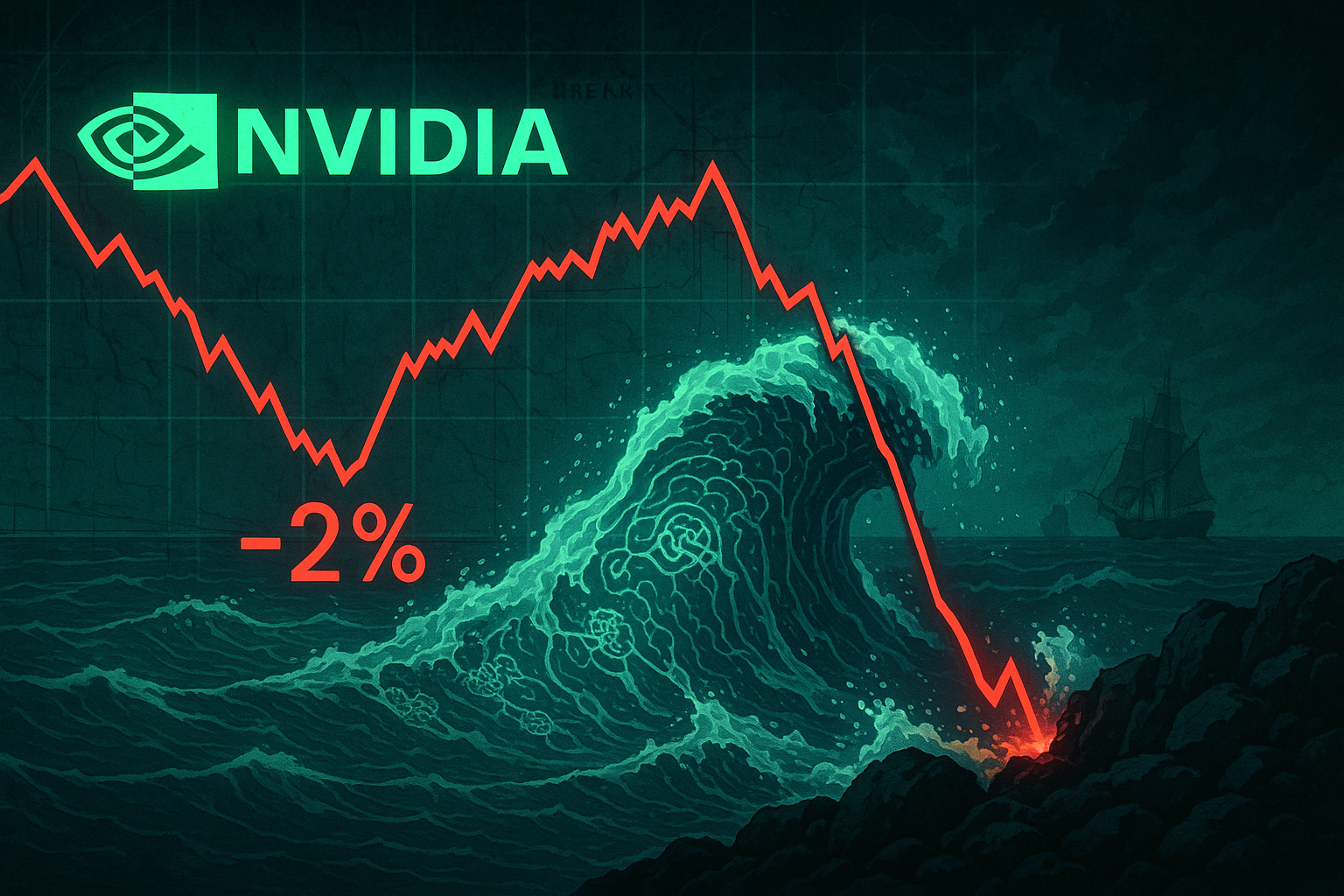
Nvidia Stock Drops 2% as AI Hype Cools After Earnings October 10, 2023,2025-11-24T05:43:33.902Z


Crypto Briefing: Nvidia retraces post-earnings gains, stock down 2% as AI trade cools


Nvidia stock chart showing post-earnings reversal amid cooling AI market momentum

Nvidia’s stock dropped 2% on Thursday, erasing gains from a recent 6% post-earnings surge as broader market shifts led traders to reassess the momentum behind AI investments.

What happened

Following strong earnings results that initially boosted Nvidia’s shares by 6%, the stock experienced a reversal on Thursday. It declined by 2%, reflecting a pullback in the market as investors began to doubt the sustained hype around AI technologies.

Why it matters

Nvidia’s performance is closely watched in the tech and AI sectors, including crypto applications like GPU-intensive mining and blockchain projects. A cooling AI trade could signal broader caution among investors, potentially affecting related industries that rely on similar hardware advancements.

Key points

  • Nvidia’s shares fell 2% after an initial 6% rally post-earnings.
  • The decline stems from market reversals questioning AI momentum.
  • This shift highlights volatility in tech stocks tied to emerging technologies.

What to watch next

Upcoming market indicators and further earnings from AI-related companies may influence whether this retracement is temporary or indicative of a larger trend. Keep an eye on trading volumes and analyst commentary for signs of renewed interest or continued caution.

🔗 More insights at
Navigator’s News.

Source: original article

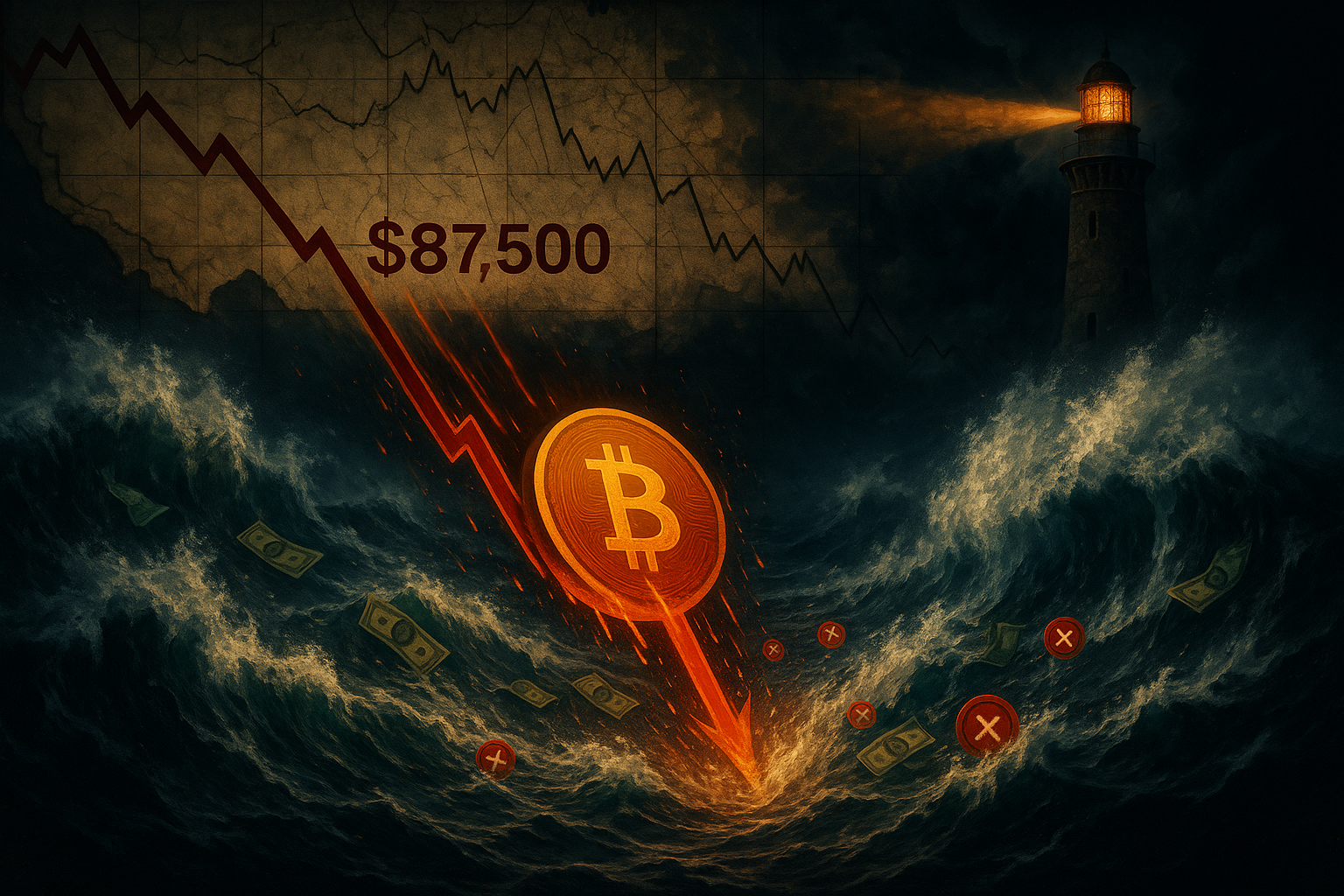
Bitcoin Plunges Below $87,500: $250M Liquidated November 2025,2025-11-23T22:43:26.116Z


Crypto Briefing: Bitcoin suddenly drops below $87,500, triggering over $250 million liquidation


Bitcoin price chart showing sudden drop below $87,500 amid market volatility

Bitcoin’s value took an unexpected plunge below $87,500, wiping out over $250 million in leveraged positions and underscoring the unpredictable nature of crypto markets.

What happened

In a swift market shift, Bitcoin’s price fell below the $87,500 mark, leading to massive liquidations across trading platforms. This event, reported in November 2025, saw over $250 million in positions forcibly closed as margin requirements weren’t met, amplifying the downward pressure in the short term.

Why it matters

Such drops reveal the high volatility baked into cryptocurrency trading, where leveraged bets can lead to rapid losses. For investors, this erodes confidence and tests market resilience, reminding participants of the risks involved in pursuing quick gains in an inherently unstable asset class.

Key points

  • Bitcoin dipped below $87,500 suddenly, sparking widespread liquidations.
  • Over $250 million in trading positions were liquidated in the aftermath.
  • The event highlights crypto’s volatility and its effects on trader sentiment.

What to watch next

Traders should monitor potential rebound signals, ongoing liquidation cascades, and broader market indicators that could influence Bitcoin’s recovery or further declines in the coming days.

🔗 More insights at
Navigator’s News.

Source: original article

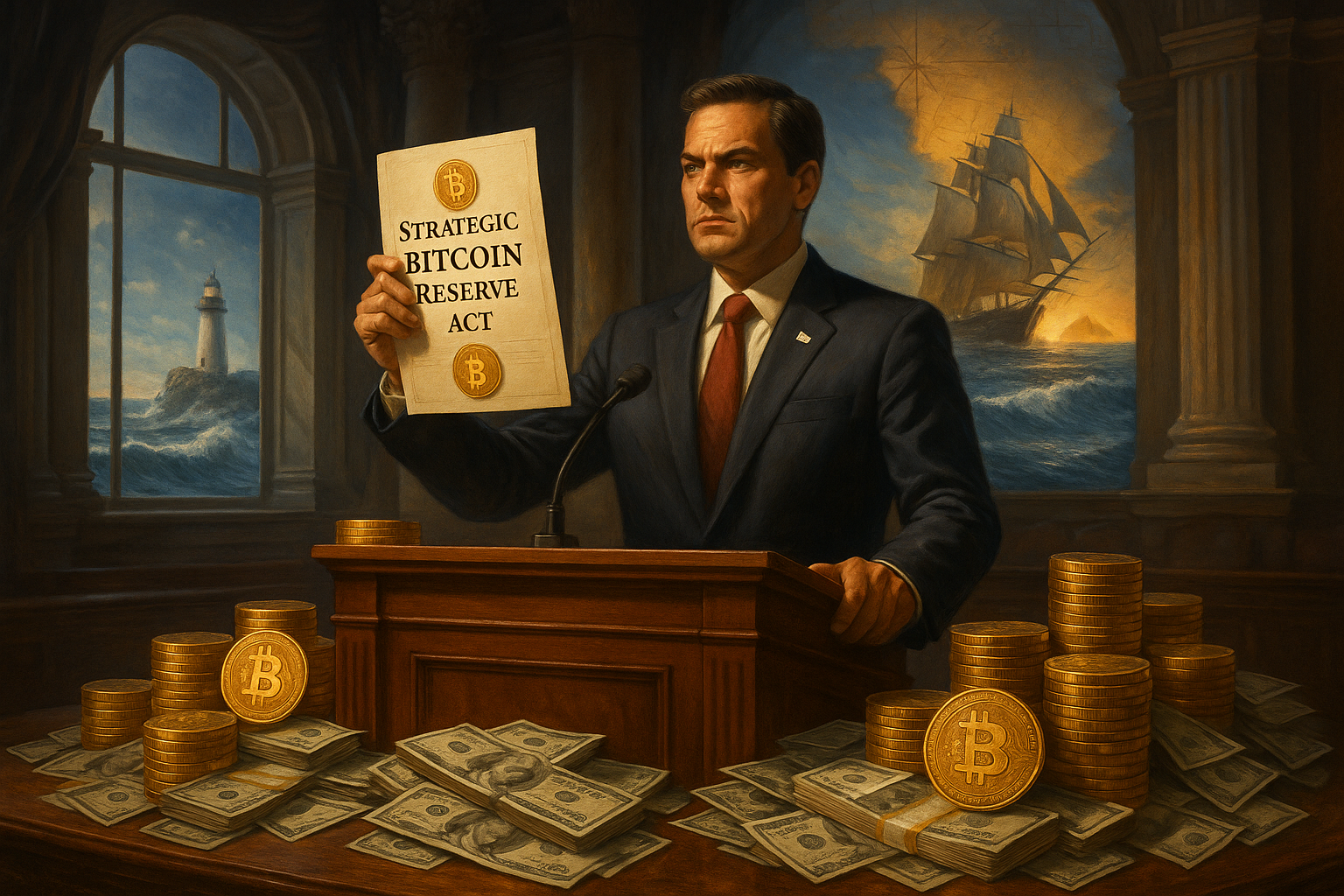
Congressman’s Bill Allows Bitcoin Tax Payments and Reserve April 10, 2024,2025-11-23T15:43:40.341Z


Crypto Briefing: Congressman introduces bill to permit Bitcoin tax payments and support strategic Bitcoin reserve


Illustration of Bitcoin integration into US financial policy, featuring a congressman presenting a bill for tax payments and national reserves

A new bill aims to allow Bitcoin for tax payments and establish a strategic national reserve, potentially boosting US financial security through asset diversification and global leadership in digital currencies.

What happened

US Congressman Warren Davidson has introduced legislation that would enable taxpayers to settle federal tax obligations using Bitcoin. The proposed bill also advocates for creating a strategic Bitcoin reserve at the national level, marking a step toward official recognition of the cryptocurrency in government operations.

Why it matters

This development could signal growing institutional acceptance of Bitcoin, helping to diversify the US’s financial assets beyond traditional holdings like gold. By incorporating Bitcoin, the government might strengthen economic resilience against inflation or geopolitical risks, while positioning the US as a leader in cryptocurrency policy and innovation.

Key points

  • Allows Bitcoin payments for federal taxes, simplifying transactions for holders.
  • Supports a strategic Bitcoin reserve to enhance national asset diversification.
  • Aims to bolster US financial security and maintain leadership in global finance.

What to watch next

Track the bill’s progress through congressional committees, potential amendments, and any responses from regulatory bodies like the IRS or Treasury Department, as these could influence broader cryptocurrency adoption timelines.

🔗 More insights at
Navigator’s News.

Source: original article

Google Surpasses Microsoft as 3rd Largest by Market Cap October 10, 2023,2025-11-23T08:43:36.028Z


Crypto Briefing: Google surpasses Microsoft to become world’s 3rd largest company by market cap


Visual representation of Alphabet (Google) achieving major market cap milestone, surpassing Microsoft

Alphabet, Google’s parent company, has overtaken Microsoft to claim the spot as the world’s third-largest company by market capitalization, fueled by a major investment from Warren Buffett and strong market interest in its AI advancements.

What happened

Alphabet’s shares experienced a notable rally, pushing its market value ahead of Microsoft’s. This shift came after Berkshire Hathaway, led by investor Warren Buffett, revealed a $4.9 billion stake in the company, signaling strong confidence from a major player in the investment world.

Why it matters

This milestone highlights the growing momentum around Alphabet’s investments in artificial intelligence and cloud computing, which are drawing attention from institutional investors. For the broader tech sector, it underscores how strategic tech developments can influence company valuations and competitive standings.

Key points

  • Alphabet now ranks third globally by market cap, behind only Apple and Nvidia.
  • Warren Buffett’s $4.9 billion investment via Berkshire Hathaway boosted investor sentiment.
  • Google’s stock surge was driven by enthusiasm for its AI initiatives and overall market momentum.

What to watch next

Observers may keep an eye on future filings from Berkshire Hathaway for additional stakes or shifts in holdings, as well as Alphabet’s upcoming earnings reports that could detail progress in AI and other tech areas.

🔗 More insights at
Navigator’s News.

Source: original article

Bitcoin ETFs Reverse Outflows with $75M Inflows October 10, 2023,2025-11-23T01:43:38.599Z


Crypto Briefing: Bitcoin ETFs reverse 5-day outflows with $75M BTC purchase


Bitcoin ETFs showing inflows with charts and cryptocurrency icons

Bitcoin exchange-traded funds (ETFs) recorded $75 million in net inflows, signaling a return of institutional interest following a week of withdrawals.

What happened

After experiencing five consecutive days of outflows, Bitcoin ETFs turned the tide with $75 million in purchases on a single day. This shift was primarily driven by major players like BlackRock and Grayscale, whose funds saw the bulk of the new investments. The move indicates renewed confidence among large investors in Bitcoin-focused investment vehicles.

Why it matters

Such inflows highlight fluctuating dynamics in the institutional adoption of cryptocurrency. For the broader market, this can reflect changing sentiments toward Bitcoin as a store of value or asset class, potentially influencing overall liquidity and investor participation in the space. It also underscores the growing role of ETFs in making crypto more accessible to traditional finance participants.

Key points

  • Bitcoin ETFs attracted $75 million in net inflows after five days of outflows.
  • BlackRock and Grayscale led the purchases, showing strong institutional involvement.
  • This reversal points to returning interest from large-scale investors in Bitcoin.

What to watch next

Observers may monitor subsequent days for sustained inflows or renewed outflows, along with any regulatory updates or market events that could impact ETF activity. Broader economic indicators, such as interest rate decisions, might also play a role in shaping future institutional flows into Bitcoin products.

🔗 More insights at
Navigator’s News.

Source: original article

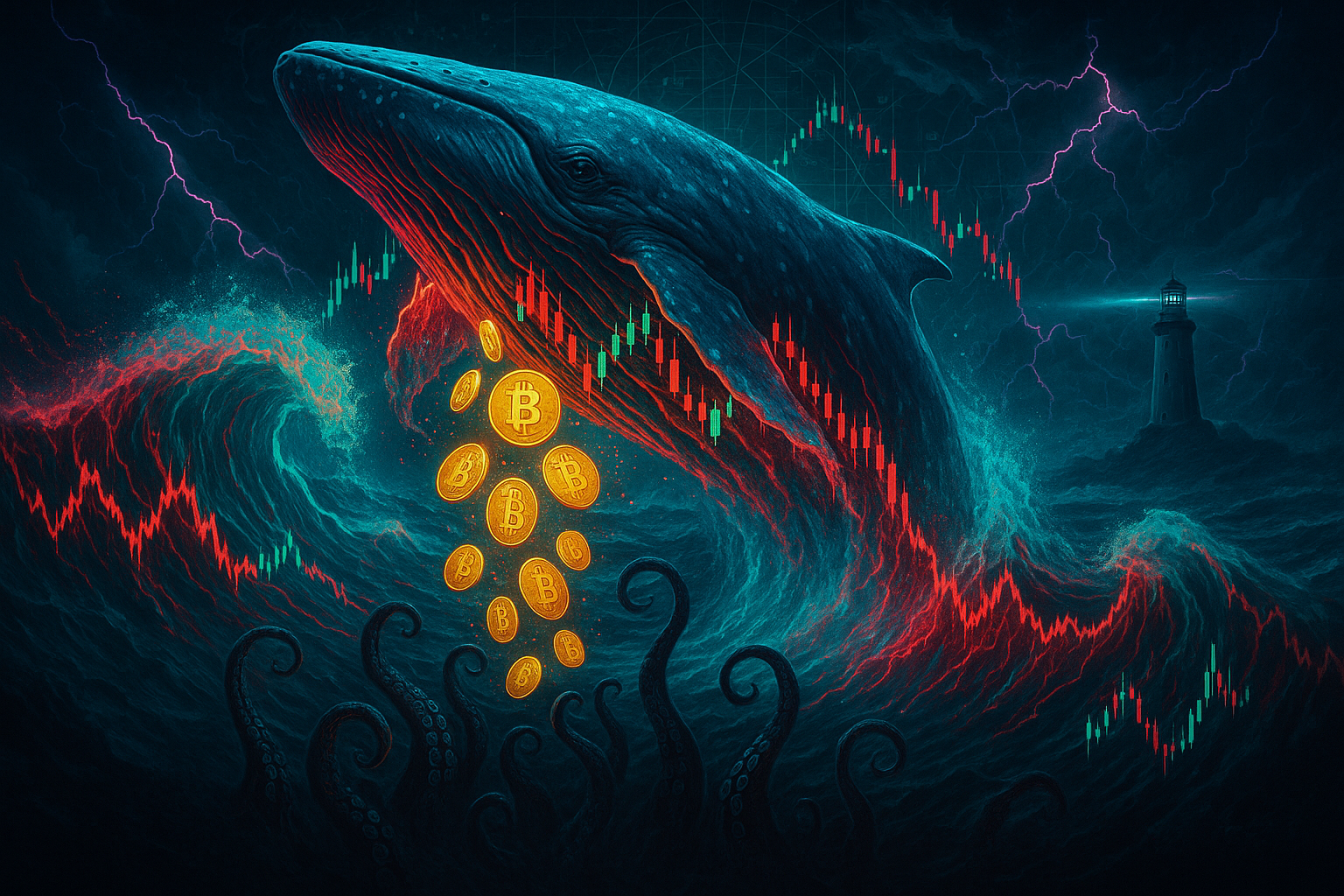
Bitcoin Whale Owen Gunden Finalizes $1.3B Sale to Kraken October 10, 2024,2025-11-22T18:43:33.539Z


Crypto Briefing: Bitcoin whale Owen Gunden completes $1.3B sale with final transfer to Kraken


Illustration of a Bitcoin whale transferring funds to Kraken exchange, symbolizing a major $1.3 billion sale

The sale may increase market volatility and influence trading strategies as long-term holders liquidate significant Bitcoin positions.

What happened

Owen Gunden, a prominent Bitcoin whale known for holding large amounts of the cryptocurrency, has finalized a massive $1.3 billion sale by transferring his remaining Bitcoin to the Kraken exchange. This concludes a significant liquidation process that has unfolded over time, marking the end of Gunden’s major position in the asset.

Why it matters

Such large-scale sales from long-term holders like Gunden can introduce heightened volatility into the Bitcoin market, as the influx of supply to exchanges often prompts shifts in trader behavior and adjustments to overall strategies. This movement underscores the impact of whale activities on liquidity and price stability in the crypto ecosystem.

Key points

  • Owen Gunden, a major Bitcoin holder, has completed a $1.3 billion sale via Kraken.
  • The transaction involves the final transfer of significant Bitcoin holdings to the exchange.
  • Long-term holder liquidations like this can affect market dynamics and volatility.

What to watch next

Market participants may monitor exchange inflows and outflows for signs of further whale movements, as well as any resulting shifts in trading volumes that could signal broader trends in investor sentiment.

🔗 More insights at
Navigator’s News.

Source: original article

India’s ARC Token Launch: Boosting Economy in 2026 October 10, 2024,2025-11-22T11:43:35.906Z


Crypto Briefing: India’s ARC token set to launch in Q1 2026, aims to bolster domestic economy


Illustration of India's ARC token launch aiming to boost the domestic economy through financial autonomy

India is preparing to introduce its ARC token in the first quarter of 2026, a move designed to enhance the country’s economic independence in the digital asset space.

What happened

India’s ARC token, a domestically developed digital currency, is slated for launch in Q1 2026. This initiative represents a strategic step toward building a more self-reliant financial ecosystem within the world’s largest democracy.

Why it matters

The ARC token has the potential to reinforce India’s financial sovereignty by encouraging investments within the local economy and decreasing dependence on international cryptocurrencies. This could foster greater control over digital transactions and promote stability in the face of global market fluctuations.

Key points

  • Launch timeline set for early 2026, positioning India as a key player in sovereign digital assets.
  • Aims to drive local investment and economic growth through a homegrown token.
  • Reduces exposure to foreign digital currencies, enhancing national financial security.

What to watch next

Developments in regulatory frameworks and integration with existing financial systems will be crucial as the launch approaches. Any updates on partnerships or pilot programs could provide further clarity on the token’s implementation.

🔗 More insights at
Navigator’s News.

Source: original article

Ukraine’s Pressure Rises: Secret US-Russia 28-Point Peace Plan Revealed November 22, 2025,2025-11-22T04:43:44.254Z


International: Top News And Analysis: Ukraine under pressure amid reports Russia and U.S. have devised a secret peace plan


Tensions rise in Ukraine as reports surface of a secret U.S.-Russia peace plan

Senior U.S. military officials are in Ukraine on Thursday — a day after reports emerged that Washington and Moscow had devised a secret 28-point peace plan.

What happened

Reports have surfaced indicating that the United States and Russia have secretly crafted a comprehensive 28-point plan aimed at resolving the ongoing conflict in Ukraine. This development comes as high-ranking U.S. military leaders arrived in the country for talks, heightening tensions amid the fragile diplomatic landscape.

Why it matters

Such a peace initiative could signal potential shifts in international relations and geopolitical stability, affecting global markets and energy supplies that intersect with broader economic interests. For observers in the crypto space, where volatility often ties to world events, understanding these dynamics provides context for asset movements without implying direct investment outcomes.

Key points

  • Reports detail a 28-point framework developed covertly between Washington and Moscow.
  • U.S. military officials visited Ukraine shortly after the plan’s disclosure.
  • The initiative arrives amid mounting pressures on Ukraine in the prolonged conflict.

What to watch next

Developments from the U.S. officials’ meetings in Ukraine may reveal more about the plan’s viability, while responses from involved parties could influence the pace of negotiations or escalate regional tensions.

🔗 More insights at
Navigator’s News.

Source: original article

×