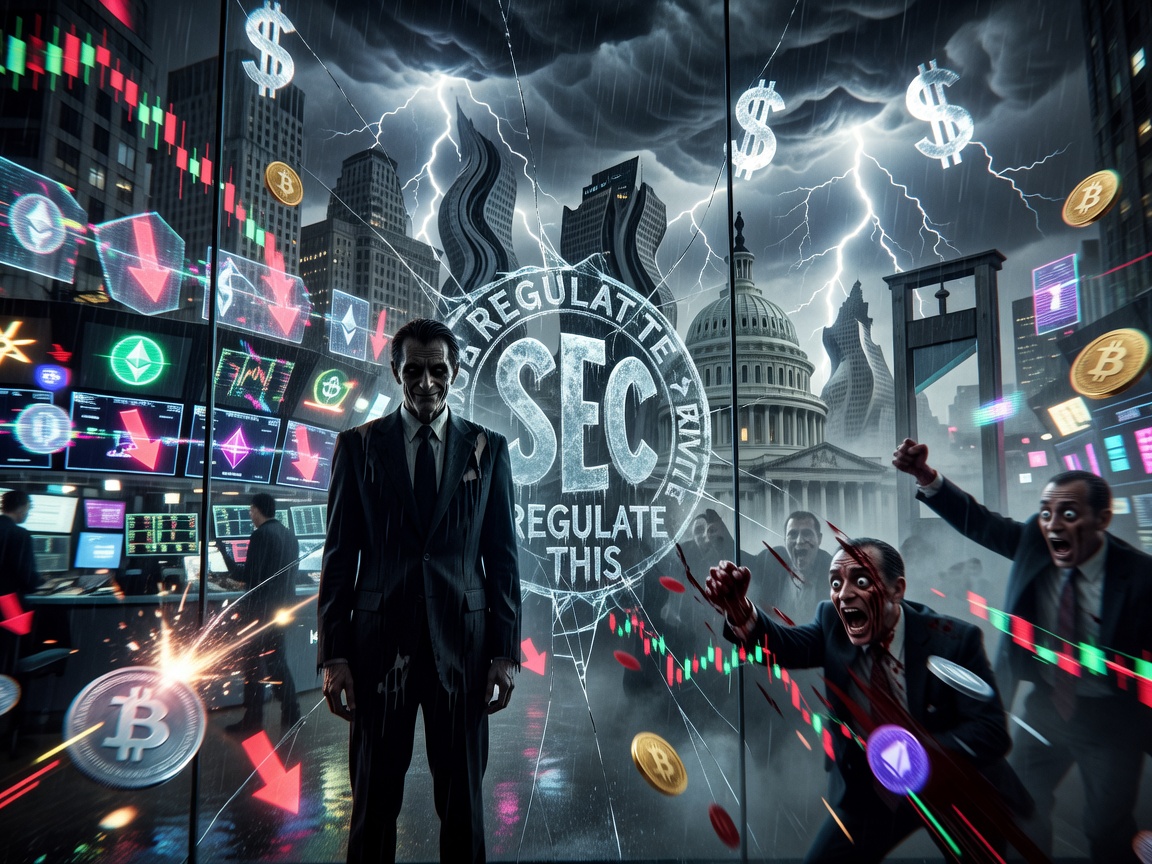
SEC Picks New Enforcement Chief as Crypto Cases Quietly Fade
The U.S. Securities and Exchange Commission has appointed David Woodcock as its new enforcement chief, stepping in at a moment when the agency is already under fire for abruptly dropping enforcement actions against Justin Sun and several other crypto firms. Senators are now demanding explanations, and the timing of the leadership change has raised eyebrows across Washington and Wall Street.
The move comes after the SEC quietly dismissed high-profile lawsuits without public explanation, leaving lawmakers and market participants wondering whether political pressure or internal strategy shifts were at play. Woodcock inherits an enforcement division that has spent years chasing crypto projects with mixed results, and his appointment signals a potential recalibration at the agency.
Who benefits depends on your view of the SEC’s recent retreat. Crypto exchanges and token issuers facing lingering cases may see lighter touch enforcement ahead, while traditional finance players who have long complained about uneven rules could push for even stricter oversight if the agency looks soft. The biggest shift is psychological: markets read leadership changes at the SEC as signals of future policy direction.
What This Means for Crypto
Enforcement actions have long been the SEC’s main tool for shaping crypto behavior, often through lawsuits rather than clear rules. A new chief does not automatically rewrite those rules, but it can change how aggressively they are applied and which cases get priority.
For traders and investors, reduced litigation risk on certain tokens can translate into sharper price moves and renewed capital inflows. Builders, meanwhile, will watch whether Woodcock continues the agency’s focus on unregistered offerings or pivots toward clearer disclosure standards that allow projects to operate without constant legal overhang.
Market Impact and Next Moves
Short-term sentiment is cautiously optimistic. The combination of dropped suits and a leadership transition suggests the enforcement environment may soften, at least temporarily, which tends to lift risk assets across the sector.
Key risks remain. Any perception that enforcement is weakening could trigger renewed congressional scrutiny or force the SEC into compensatory crackdowns later. Liquidity in smaller tokens also stays vulnerable if large holders interpret the shift as a green light to exit.
Opportunities exist in projects that have stayed compliant or hold strong fundamentals yet trade at discounts due to prior regulatory overhang. On-chain metrics showing rising active addresses and developer activity in these names could mark the next leg of institutional interest once clarity improves.
Washington’s enforcement posture just changed hands—watch what cases disappear next.