
Seventh Circuit Expands CFTC Subpoena Power to Non-Parties, Reaching Crypto Markets

Wellermen Image COURT HANDS CFTC NEW WEAPON AGAINST COMMODITY MANIPULATION

The Seventh Circuit just handed the CFTC a potent new tool to compel testimony and documents from non-parties in enforcement actions, widening the agency’s investigative net in ways that could soon reach crypto trading desks. The decision came in a rare writ-of-mandamus petition filed by the CFTC itself, after a district judge refused to enforce subpoenas against Kraft and Mondelēz in an investigation into alleged wheat-futures manipulation. By reversing that refusal, the appeals court clarified that the CFTC can use its subpoena power far more aggressively—even against companies only tangentially connected to the trading at issue.

The case began when the CFTC suspected Kraft and its spun-off affiliate Mondelēz of distorting wheat futures prices through massive physical-grain purchases. When the agency served subpoenas for internal documents and employee testimony, the companies balked, arguing they were not “directly” involved in the futures trades under scrutiny. A district judge agreed and quashed the subpoenas. The CFTC, insisting the information was essential to prove manipulative intent, asked the Seventh Circuit for the extraordinary remedy of mandamus. The three-judge panel ruled that the district court had “clearly and indisputably” misapplied the law, that the CFTC’s investigative authority is entitled to broad deference, and that the companies must comply.

Now the CFTC can demand records and sworn testimony from any market participant—even those who never executed a single futures contract—so long as the agency can articulate a plausible link to its inquiry. That lowers the threshold for opening and pursuing manipulation cases, including ones involving crypto derivatives that trade on CFTC-regulated exchanges. Exchanges and liquidity providers will face wider document sweeps, raising compliance costs and the risk that seemingly routine trading data could be weaponized in enforcement actions.

The ruling also tilts the playing field toward regulators in the endless tug-of-war between decentralized trading venues and government oversight. Because crypto tokens and stablecoins often trade on the same DCMs and swap-execution facilities the CFTC already watches, any expansion of subpoena scope can sweep in wallet operators, OTC desks, and DeFi-adjacent entities that hold the keys to on-chain data. Stablecoin issuers and trading platforms that once viewed themselves as outside traditional commodity jurisdiction now have a clearer signal: if your order flow touches a CFTC-regulated market, your internal books can be pried open.

Expect defense budgets at trading firms to rise and for general counsel to redraft document-retention policies with an eye toward CFTC fishing expeditions.

Crypto Class Action Split: Panel Denies Centralization Across Three States

Wellermen Image Judge Rejects Crypto Class Action Centralization in Three-State Showdown
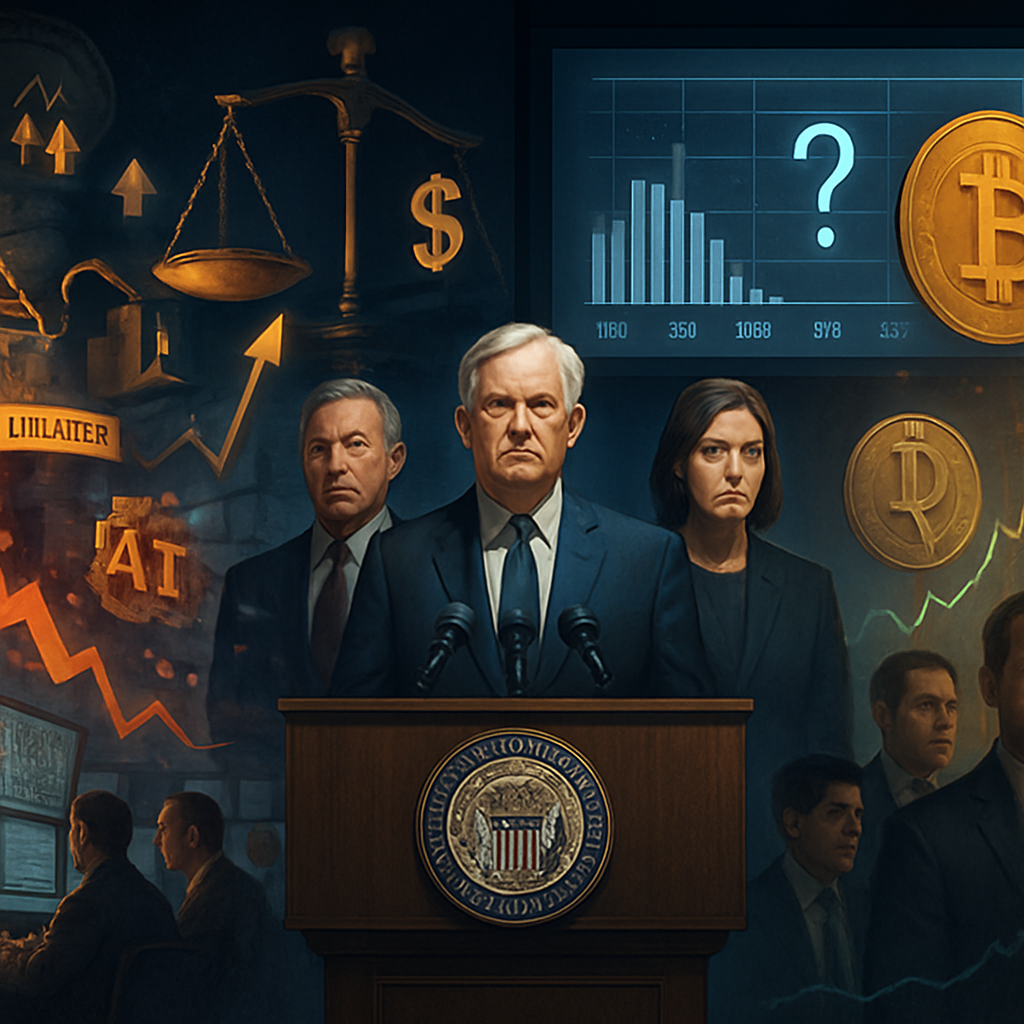
A federal panel has denied a plaintiff’s push to bundle three crypto-related lawsuits into one Illinois courtroom, leaving separate judges to decide the fate of claims against digital-asset exchanges and token issuers. The ruling keeps litigation fragmented, raising the odds of conflicting decisions that could rattle both enforcement strategy and market pricing.

Anthony Motto, lead plaintiff in Greene v. [defendants] pending in the Northern District of Illinois, asked the Judicial Panel on Multidistrict Litigation to transfer two other cases—one in the Central District of California and one in the Eastern District of Pennsylvania—into his home court. Motto argued that common questions of whether certain tokens are unregistered securities, how exchanges structure custody, and whether marketing statements were misleading justified a single forum. Defense counsel countered that the cases involve different platforms, different tokens, and different state-law overlays, making consolidation inefficient and prejudicial.

Writing for the Panel, Judge Sarah Vance declined centralization. The opinion noted that although some overlap exists on the threshold question of securities classification, factual cores diverge sharply: one suit targets an automated-market-maker protocol, another focuses on a custodial exchange’s margin-lending program, and the third concerns an alleged insider token sale. The judges concluded that individualized discovery and state-specific defenses would predominate, and that voluntary coordination among the three districts was a lighter, workable alternative.

In plain terms, the Panel is saying the crypto cases are related but not identical enough to force shotgun marriage; each court keeps its own gavel. That leaves three sets of plaintiffs and defendants to litigate on separate tracks, each potentially producing its own precedent on Howey-test application, exchange liability, and class-certification standards.

For markets, the decision preserves uncertainty rather than resolving it. Issuers and trading platforms now face the real possibility that one judge could label a token a security while another treats it as a commodity, complicating compliance programs and pricing models. Exchanges lose the efficiency of a single discovery record and may need to budget for parallel depositions and expert reports. DeFi protocols that sit outside any single judicial district gain breathing room, but they also lose the chance for a unified ruling that might have limited multi-front regulatory exposure. Traders, meanwhile, will continue pricing litigation risk on a case-by-case basis rather than betting on a sweeping, one-stop precedent.

Fragmented rulings mean fragmented prices—watch each docket like a separate earnings report.

Fed Dovish Signals Could Boost Bitcoin, Analyst Says

Market participants are split on whether the Federal Reserve will deliver another interest-rate increase at its upcoming policy meeting, reflecting uncertainty over inflation progress and economic resilience. Analysts say that while tighter policy typically pressures risk assets, cryptocurrencies may prove less exposed than the high-valuation technology stocks tied to artificial intelligence.

Markets Split on the Fed’s Next Move

Rate expectations remain divided as traders weigh mixed data on inflation, employment, and growth. Derivatives pricing and bond yields suggest no clear consensus on whether the Fed will opt for a further hike or keep rates steady while maintaining a restrictive stance. The outcome—and the policy guidance that follows—will influence liquidity conditions, the U.S. dollar, and broader risk appetite across global markets.

Why Crypto May Be Less Sensitive Than AI-Focused Tech

Analysts note that cryptocurrencies, particularly large-cap assets such as bitcoin and ether, have at times shown a diminishing correlation with traditional equities compared with earlier cycles. While digital assets remain risk-sensitive, their pricing is not governed by earnings forecasts or discounted cash flows in the way that equities are.

By contrast, AI-driven tech stocks—spanning chipmakers, cloud infrastructure providers, and software firms tied to generative AI—often trade on long-duration growth expectations. Those valuations tend to be more sensitive to higher interest rates, which raise discount rates and funding costs and can pressure multiples. As a result, a hawkish policy surprise or persistently elevated yields could weigh more heavily on AI-linked equities than on crypto markets.

Key Factors to Watch

  • Fed policy statement and projections, which will shape expectations for the path of rates and liquidity.
  • Moves in Treasury yields and the U.S. dollar, both of which can influence risk appetite and crypto demand.
  • Cross-asset correlations, including whether recent decoupling between major cryptocurrencies and tech stocks persists.

Overall, uncertainty around the Fed’s trajectory continues to anchor near-term market direction. If rate pressures intensify, analysts expect AI-linked equities to face greater valuation headwinds than cryptocurrencies, even as digital assets remain sensitive to the broader risk environment.

Stablecoins Settle $1.1T in Traditional Finance Perpetuals, Redrawing Market Rails

Wellermen Image

Stablecoins Quietly Power $1.1 Trillion in TradFi Trades

Binance Research just dropped numbers that show stablecoins aren’t just crypto’s version of the dollar—they’re now the settlement rails for over $1.1 trillion in traditional finance perpetual contracts. That’s not hype; that’s volume moving through tokenized markets where traders bet on stocks, commodities, and indices without ever touching the underlying assets.

The report highlights how stablecoins are sliding into three core roles: settling trades, powering payments, and acting as yield-bearing savings vehicles. Instead of waiting days for bank wires or clearinghouses, traders are using USDT and USDC to post collateral, collect payouts, and move between positions in seconds. The speed and 24/7 access are pulling liquidity away from legacy systems that still shut down on weekends and holidays.

What matters here is the shift in market structure. Tokenized perpetuals let anyone with a crypto wallet trade S&P 500 futures or gold contracts at leverage, settling instantly in stablecoins. Traditional brokers lose the float and fee income, while crypto exchanges and stablecoin issuers collect the spread. Regulators, meanwhile, are watching to see whether these products fall under securities law or dodge it by staying offshore.

What This Means for Crypto

Stablecoins are morphing from simple dollar proxies into infrastructure. When volume this large settles on-chain, every transaction pays fees to networks like Ethereum, Tron, or Solana. That fee revenue can support validator security and developer grants, turning everyday trading into a funding source for the entire stack.

For traders, the change is practical: lower costs, instant settlement, and exposure to traditional assets without brokerage accounts or KYC delays. Long-term investors see a signal that dollar-backed tokens are embedding themselves deeper into global finance, raising both their utility and their regulatory risk if governments decide to clamp down.

Market Impact and Next Moves

Short-term sentiment is bullish for major stablecoin issuers and the exchanges offering these products. The data supports the narrative that crypto rails are absorbing traditional trading volume rather than competing on the fringes. That narrative tends to lift token prices and attract fresh capital into related DeFi protocols.

The main risks are regulatory and concentration. If USDT or USDC faces new reserve requirements or offshore restrictions, the $1.1 trillion market could face sudden liquidity shocks. Leverage in these perpetuals also means any sharp move in underlying assets can trigger cascading liquidations settled in stablecoins, amplifying volatility.

Opportunities lie in stablecoin-native derivatives platforms that offer better risk controls or novel assets traditional brokers ignore. Builders who integrate compliance tools early may capture institutional flow once clearer rules emerge.

Watch the volume: if stablecoin-settled TradFi keeps growing, the next regulatory battle won’t be about whether crypto matters—it’ll be about who controls the settlement layer.

Fifth Circuit Narrows SEC’s Crypto Reach: Not All Tokens Are Securities

Wellermen Image Court Hands SEC Major Loss on Crypto Authority

The Fifth Circuit just told the SEC it cannot use its 1940s-era investment-contract rules to police the entire crypto market. The ruling guts the agency’s preferred weapon against digital assets and forces regulators to prove actual securities offerings before they act.

This case started when the SEC sued a crypto firm for selling unregistered tokens. The agency argued that every token sale is an investment contract because buyers hoped for profits from the issuer’s efforts. The company fought back, saying the SEC stretched the law beyond recognition. On November 26, the Fifth Circuit sided with the company, holding that the agency must show more than hype and hope to label a token a security.

The judges ruled that the SEC’s “investment contract” test requires a formal contract or binding promise, not just marketing slogans. Because the tokens were sold on the open market without such promises, they fall outside the agency’s reach. The decision reverses a lower court win for the SEC and sends the case back for a narrower analysis.

In plain English, the court said the SEC cannot treat every token like a stock certificate. Unless buyers receive a legal promise of future profits tied to someone else’s work, the tokens are not securities. That shrinks the agency’s power and raises the bar for enforcement actions.

The ruling shifts power away from the SEC and toward the CFTC for non-security tokens, creating a clearer but narrower regulatory lane. Exchanges and DeFi platforms gain breathing room, yet stablecoin issuers still face separate banking and commodities scrutiny. Traders may see short-term relief, but the decision also warns that future offerings must avoid explicit profit promises or risk reclassification.

The SEC’s crypto dragnet just got smaller—projects that stay clear of binding promises now have stronger legal cover, but any hint of guaranteed returns could still trigger enforcement.

Oil Spike After Iran Ceasefire Collapse Pushes Bitcoin Toward 61K Support

Wellermen Image

Bitcoin Slides as Oil Spikes on Iran Ceasefire Collapse

Bitcoin is being dragged toward the $61,000 support as oil prices surge following the sudden breakdown of a U.S.-brokered ceasefire with Iran. The market is reacting to renewed threats of a Hormuz blockade, pushing crude above $75 and reigniting fears of global energy shocks.

The trigger is geopolitical. A fragile truce collapsed overnight, prompting warnings that Iran could close the Strait of Hormuz and choke 20 percent of global oil supply. Traders immediately bid up oil futures, while risk assets from equities to crypto sold off in a classic flight-to-safety move. Bitcoin, still nursing losses from last week’s liquidation cascade, is once again acting as a high-beta proxy for macro risk rather than digital gold.

Who loses first are leveraged long positions. Funding rates have flipped negative and open interest is thinning, meaning the next stop lower could trigger another round of forced selling. Who stands to gain are energy producers and macro funds already positioned for higher oil, while Bitcoin miners with high energy costs now face a double squeeze of falling coin prices and rising power bills.

What This Means for Crypto

Bitcoin’s correlation with traditional risk assets is tightening again. When oil volatility spikes, liquidity tends to drain from crypto first because many large players use the same prime brokers and margin desks. The result is faster drawdowns and slower recoveries until the macro shock either fades or is priced in.

For long-term holders the message is simple: treat geopolitical oil shocks as temporary liquidity events, not fundamental attacks on the Bitcoin thesis. Short-term traders, however, must watch the $61,000 level closely; a daily close beneath it would open the door to a test of the May lows near $56,000.

Market Impact and Next Moves

Sentiment is bearish in the near term. The combination of rising oil, a stronger dollar, and fading ETF inflows creates a triple headwind that could keep BTC pinned below $64,000 until the Strait of Hormuz situation clarifies. Key risks include an escalation that forces emergency Fed or Treasury action, or a sudden de-escalation that sparks a violent short-covering rally.

Opportunities lie in relative value. Energy-intensive mining stocks and bitcoin-tied energy derivatives may decouple from spot BTC if power prices rise faster than coin prices fall. Meanwhile, traders positioned in oil-linked perpetual futures can hedge crypto downside without selling their core holdings.

Watch the $61,000 line; if it breaks, prepare for a fast retest of lower support, but remember these moves are often reversed just as quickly once geopolitical smoke clears.

Ninth Circuit Hands CFTC a Win, Expands Oversight of Leveraged Metal Trades (Monex)

Wellermen Image CFTC SLAPS MONEX WITH FRAUD RULING—APPEALS COURT BACKS AGENCY

The Ninth Circuit just handed the CFTC a major win, reversing a district judge who had tried to shield Monex from federal commodities fraud charges. The decision matters because it widens the agency’s reach over leveraged metals trading and signals that “decentralized” platforms can still be on the hook for how they market and finance trades.

The lawsuit started when the CFTC accused Monex of running a massive scheme that let retail customers buy gold and silver on 25-to-1 margin without ever taking delivery. Instead of handing over metal, Monex kept the bars in its vault and charged customers interest and storage fees while they bet on price moves. The agency said the firm lied about risks, hid liquidation triggers, and used high-pressure sales tactics that violated anti-fraud rules in the Commodity Exchange Act. A lower-court judge tossed the case, saying the trades weren’t “futures contracts” because customers could take physical delivery if they paid in full. The CFTC appealed, arguing that the financing arrangement itself created the kind of leveraged, off-exchange instrument the law was written to police.

Judges Wardlaw, Paez, and Bea unanimously sided with the agency. They ruled that a contract can still be a “leveraged retail transaction” even if delivery is theoretically possible, as long as the economics heavily favor rolling the position rather than taking metal. The panel also held that the CEA’s fraud ban applies whether or not the deals are standardized futures traded on an exchange. Bottom line: Monex must now face trial on charges of deceptive marketing and failure to register; the CFTC can seek injunctions, restitution, and civil penalties. Monex loses its get-out-of-court-free card, and any other platform offering financed crypto or commodity exposure will have to watch its disclosures and margin policies.

In plain English, the Ninth Circuit just told brokers that if your product lets customers bet on price with someone else’s money, federal watchdogs can call it a derivative—no matter how you label it or how “physical” the asset looks on paper. The ruling chips away at the idea that off-exchange leverage is automatically safe from CFTC oversight.

The decision widens the agency’s footprint right as crypto firms roll out tokenized gold, synthetic commodities, and DeFi margin products. Expect CFTC staff to open more investigations into platforms that offer 10× or 25× exposure without exchange registration, especially if marketing materials gloss over liquidation risk. Stablecoin issuers who embed leverage mechanics could also find themselves in scope, since the opinion rejects form-over-substance defenses. Centralized exchanges may tighten margin rules or shift products offshore, while DeFi protocols face an awkward choice: add compliance layers that cut against their “no middleman” pitch, or risk enforcement waves that scare liquidity providers away. Traders using high-leverage metals or crypto derivatives will see tighter spreads and higher margin calls as platforms price in regulatory risk.

Firms that treat disclosure as an afterthought just bought themselves a much bigger legal bill.

EU Bets on MiCA 2.0 to Close Stablecoin Loopholes

Wellermen Image

EU Plots MiCA 2.0 to Close Stablecoin Loopholes

European regulators are preparing a fresh rewrite of the Markets in Crypto-Assets rules, driven by the need to keep non-EU stablecoin issuers inside the bloc’s legal net. The move follows Washington’s recent stablecoin legislation and Brussels’ own push to regulate tokenized bank deposits, effectively dragging offshore dollar-pegged tokens back under EU supervision.

Officials are weighing amendments that would force foreign stablecoin issuers to appoint an EU entity, hold reserves inside the bloc, and meet the same capital and governance standards as domestic providers. The changes would plug a gap that currently lets offshore issuers serve European users without full MiCA compliance, a loophole that has drawn complaints from licensed EU players.

The timing matters. With the US preparing its own stablecoin framework, Europe risks seeing dollar-pegged tokens migrate to friendlier jurisdictions unless it tightens rules quickly. Regulators are also eyeing tokenized bank deposits, aiming to ensure that programmable money issued by banks falls under the same oversight as crypto stablecoins.

What This Means for Crypto

MiCA 2.0 would turn today’s partial regime into a full licensing wall. Foreign issuers would either set up an EU subsidiary or face restricted access to European trading venues and wallet services. For traders, this means fewer offshore stablecoins on EU exchanges; for issuers, it raises compliance costs and may compress margins.

Builders relying on USDC or USDT for settlement would need to verify that their chosen stablecoin meets the new residency and reserve rules, or switch to EU-authorized alternatives. Long-term investors should watch whether the rule change sparks consolidation among licensed euro stablecoins or simply hands more market share to traditional bank-issued tokenized deposits.

Market Impact and Next Moves

Short-term sentiment is likely mixed: euro-denominated stablecoin projects could rally on the prospect of regulatory moats, while offshore dollar issuers may see selling pressure until they clarify their EU compliance plans. Liquidity could fragment if exchanges delist non-compliant tokens ahead of any final text.

The biggest risk is regulatory whiplash; if the amendments are rushed or overly prescriptive, they could push stablecoin volume offshore and hurt on-chain euro liquidity. Conversely, credible rules could attract institutional euro flows and cement Europe as a stablecoin hub rather than a rule-taker.

Watch the next draft text and any statements from the European Commission’s financial-services directorate; early signals on reserve location and subsidiary requirements will dictate positioning for both traders and issuers.

Court Expands CFTC Authority Over Crypto Leverage Contracts

Wellermen Image Court Hands CFTC Fresh Power Over Crypto


The D.C. Circuit just gave the Commodity Futures Trading Commission a green light to police retail crypto trading platforms that let customers bet on digital-asset prices. In a 3-0 ruling, the judges upheld an enforcement order against trader Trevor Kitchen, holding that crypto price contracts traded on unregistered platforms fall squarely under the CFTC’s anti-fraud authority—even when the underlying tokens are not themselves futures contracts.

The case started when the CFTC accused Kitchen of running an unregistered trading desk that offered leveraged crypto bets to U.S. customers. Kitchen argued the agency lacked jurisdiction because the contracts were spot transactions in digital assets, not traditional commodity futures. The court disagreed. Writing for the panel, Judge Wilkins ruled that the Commodity Exchange Act’s broad definition of “commodity” covers digital assets, and that the CFTC can act against fraud in any market where such contracts trade—no CFTC registration needed. The judges brushed aside Kitchen’s due-process claims, finding the agency gave fair notice when it warned the industry in 2017 guidance.

The decision is a clear win for the CFTC and a setback for crypto firms hoping to stay outside federal oversight by labeling trades as “spot.” It strengthens the agency’s hand to pursue unregistered platforms, wallet providers offering margin, and DeFi protocols that facilitate leveraged exposure to Bitcoin, Ether, or any other token the Commission deems a commodity. Traders lose another argument for operating in the gray zone; exchanges now face higher legal risk and potential registration costs.

In plain English, if you offer U.S. customers the ability to speculate on crypto prices with leverage and you’re not registered, the CFTC can come after you for fraud even if the contracts aren’t listed on a formal exchange.

Expect the ruling to chill offshore crypto-derivatives desks that court American users and accelerate calls for clear legislation—yet it also hands compliant exchanges a competitive moat by clarifying that only registered venues can legally serve U.S. retail traders seeking leverage. Watch for CFTC enforcement sweeps this summer targeting DeFi front-ends and unregistered wallet apps.

The ruling cements regulatory gravity for crypto leverage products: comply or prepare to exit the U.S. market.

Today in Crypto: Top News From Cointelegraph

A concise daily briefing on the developments shaping the digital asset market, including drivers of Bitcoin price, blockchain upgrades, DeFi liquidity, Web3 adoption, and regulatory moves. This overview highlights what matters for market structure and industry growth.

Bitcoin and Broader Market Drivers

Bitcoin’s intraday direction is frequently influenced by macroeconomic signals, liquidity conditions, and derivatives positioning. Shifts in interest rate expectations, dollar strength, and risk appetite tend to feed into spot demand and volatility. In parallel, funding rates, open interest, and basis spreads in futures and options provide a read on leverage and hedging activity across exchanges. Net inflows or outflows from spot investment products can also signal changing institutional participation.

  • Key indicators: funding rates, open interest, spot volumes, ETF or fund flows, and realized volatility.

Blockchain Upgrades and Scaling

Network upgrades, layer-2 rollouts, and changes to fee markets remain central to throughput and user costs across major chains. Developments such as client optimizations, validator set adjustments, and new interoperability standards can improve performance and security, enabling new applications and enterprise pilots. Layer-2 solutions and modular architectures continue to target faster settlement and lower fees without compromising decentralization.

DeFi Liquidity and On-Chain Activity

Decentralized finance trends are shaped by total value locked, stablecoin flows, and yields across lending markets, liquidity pools, and liquid staking protocols. Changes in incentive programs, collateral standards, or oracle designs can affect capital efficiency and risk. Protocol governance decisions, security audits, and incident responses remain critical for user confidence and systemic resilience.

  • Key indicators: TVL, DEX volumes, stablecoin issuance/redemptions, staking participation, and protocol revenue.

Web3 Adoption and Policy Watch

User adoption in Web3 is measured through active wallets, transaction counts, and application retention across NFTs, gaming, and creator platforms. Royalty models, marketplace liquidity, and cross-chain asset portability continue to evolve. On the policy front, regulatory guidance and enforcement actions in the United States, Europe, and Asia influence market access, custody standards, token classification, and compliance timelines.

  • Key indicators: daily active addresses, NFT sales volumes, developer activity, and formal rulemaking or court decisions.

Bitcoin Options Are Commodities: Ninth Circuit Upholds $1.3M CFTC Penalty

Wellermen Image COURT SLAPS CRYPTO TRADER WITH $1.3 MILLION JUDGMENT

The Ninth Circuit just made it crystal clear: calling your digital tokens “software” won’t shield you from commodity-trading laws. In a terse, 19-page opinion the appeals court upheld a $1.3 million penalty against James Devlin Crombie for running an unregistered Bitcoin-options platform that the CFTC had already branded illegal. The ruling tightens the noose on anyone hoping to operate outside CFTC oversight simply by re-labeling what they sell.

Crombie launched “Bitcoinica” in 2011, letting users trade options on Bitcoin price movements. He never registered with regulators, ignored margin rules, and kept no customer records. After the CFTC sued, a district judge granted summary judgment and ordered $1.3 million in restitution and civil penalties. Crombie appealed, arguing his platform was merely “software” and that Bitcoin itself wasn’t a commodity under the Commodity Exchange Act.

Writing for a unanimous panel, the Ninth Circuit rejected every argument. It held that Bitcoin derivatives fall squarely inside the CFTC’s statutory reach and that Crombie’s attempt to dodge registration by calling the operation “software” was a distinction without a difference. The court also brushed aside his due-process claim, noting he received ample notice of the charges. The judgment stands; Crombie owes the money, and his platform is permanently enjoined.

In plain English, the decision removes any lingering doubt that crypto options and futures are commodities, regardless of how promoters package them. Registration, disclosure, and margin rules now apply without apology.

The ruling hands the CFTC an unambiguous precedent that can be deployed against unregistered derivatives desks, offshore DeFi options vaults, and any exchange that lets U.S. customers trade leveraged Bitcoin products without oversight. Expect compliance teams to push for licensing deals or geoblocks, while decentralized protocols may accelerate anonymity features or shift liquidity pools outside U.S. jurisdiction. Traders face higher compliance friction and the risk that platforms quietly delist U.S. users to avoid liability.

Bottom line: the Ninth Circuit just told the industry that calling it software doesn’t make it invisible to regulators—price that risk into every trade.

Fourth Amendment Win: Court Blocks IRS From Seizing Crypto Keys Without Warrants

Wellermen Image Court Slams IRS Crypto Seizure Tactics

Federal agents seized two dozen crypto wallets without warrants. A D.C. district judge just said that move violated the Fourth Amendment. The ruling marks the first time a court has squarely rejected the IRS’s use of John Doe summonses to vacuum up private keys from exchanges.

The IRS launched the probe in 2019, targeting Coinbase users who moved more than $20,000 in crypto. Instead of naming suspects, the agency issued a John Doe summons to the exchange, seeking wallet data for thousands of accounts. Agents then used that data to seize private keys and drain the wallets. Twenty-four account holders sued, arguing the seizures were warrantless and unconstitutional. Judge Dabney L. Friedrich agreed, holding that the IRS cannot convert a broad civil summons into a back-door warrant to seize digital assets.

The decision blocks the government from using similar tactics in future cases and orders the IRS to return the seized crypto or its dollar equivalent. Plaintiffs win immediate restitution; the agency loses a key enforcement tool and faces mounting litigation risk. Exchanges now have clearer precedent to resist fishing-expedition subpoenas, while DeFi protocols gain breathing room as enforcement costs rise.

In plain English, the court told the IRS it cannot shortcut the Constitution simply because the target is cryptocurrency. Warrants remain mandatory for seizing private keys.

The ruling narrows the SEC’s and CFTC’s practical reach by raising the evidentiary bar for tracing and freezing tokens, likely slowing enforcement actions that rely on exchange data. It also tilts the decentralization debate: self-custody wallets become more attractive as exchange records grow less reliable for investigators. Stablecoin issuers face no direct change, yet the precedent underscores that token classification hinges on how, not just where, assets are held. Traders will price in lower seizure risk for on-chain holdings, pushing volume toward non-custodial venues.

Exchanges that treat compliance as theater just learned the curtain can fall.

Bull Bitcoin Sues France Over DAC8 Crypto Surveillance Rules

Wellermen Image

Bull Bitcoin Sues France Over Crypto Surveillance Rules

Bull Bitcoin, a non-custodial exchange, has taken the French government to court over a new decree that would require crypto platforms to report user transactions to tax authorities. The company claims the rules, meant to implement the EU’s DAC8 directive, could expose millions of Europeans to surveillance risks and even physical danger.

The decree applies to all crypto service providers, including those that never hold customer funds. Bull Bitcoin argues that non-custodial platforms have no way to collect or verify user identities without undermining their core design, and that forcing them to do so creates dangerous data trails. The company points out that public blockchain data, when combined with tax records, could make it easy to link real-world identities to wallet addresses, putting up to 135 million European crypto users at risk of targeted attacks or state overreach.

France’s tax authority defends the decree as necessary for closing tax loopholes and complying with EU law, but critics say it goes beyond what DAC8 requires and could set a precedent for broader surveillance across Europe. If the court sides with Bull Bitcoin, it could force regulators to rethink how privacy-focused platforms are treated under new tax rules.

What This Means for Crypto

DAC8 is the EU’s attempt to bring crypto into the tax reporting net, similar to how banks already share customer data. The directive requires platforms to collect user information and report transactions above certain thresholds, but the details of how this is implemented can vary by country.

For traders and investors, the case highlights the growing tension between privacy and compliance. If the decree stands, even users of non-custodial wallets could face new reporting requirements, making it harder to keep transactions private. Builders of privacy-focused tools may need to adapt or risk operating in legal gray areas.

Market Impact and Next Moves

The lawsuit introduces short-term uncertainty for European crypto markets, as investors weigh the risk of stricter enforcement versus the possibility of a privacy-friendly ruling. A win for Bull Bitcoin could slow down tax reporting mandates and boost confidence in privacy coins and non-custodial services.

However, if France’s decree is upheld, it may push more activity toward decentralized protocols or offshore platforms, increasing compliance costs and fragmenting liquidity. The outcome will likely influence how other EU countries implement DAC8 and could set the tone for global crypto tax policy.

Privacy and compliance are on a collision course, and this case will decide which side gets the advantage.

Binance Wins Big as DC Court Denies SEC Freeze and Shutdown Bid

Wellermen Image SEC Suffers First Major Setback in Binance Crackdown

The U.S. District Court for the District of Columbia just denied the SEC’s sweeping request to freeze Binance’s U.S. assets and shut down its domestic operations while the agency’s case proceeds. The ruling signals that courts may not be willing to hand the SEC the same broad authority it claims over crypto markets that it enjoys in traditional securities. For traders and exchanges watching the case, the decision lowers immediate shutdown risk and raises the possibility that the agency will have to prove its case the old-fashioned way—element by element.

The SEC sued Binance Holdings and its affiliated entities in June 2023, alleging that unregistered securities offerings, improper custody of customer assets, and commingling of funds violated multiple provisions of the Securities Exchange Act. In its emergency motion, the agency asked Judge Amy Berman Jackson to issue a temporary restraining order that would have locked up roughly $2 billion in U.S.-related funds and halted Binance.US’s ability to process withdrawals. Binance countered that the SEC had failed to show irreparable harm and that the broad injunction would effectively destroy a solvent business before any finding of liability. Judge Jackson agreed, ruling that the SEC’s evidence of ongoing harm was too speculative and that less drastic relief—enhanced reporting and monitoring—was sufficient to protect customers during litigation.

The immediate winners are Binance’s U.S. users and the exchange itself, both of which avoid a court-ordered wind-down. The SEC, by contrast, must now litigate without the leverage of a preliminary injunction, lengthening the timeline and increasing the chance that discovery will expose weaknesses in its theory that certain tokens are investment contracts. For the broader market, the decision injects a dose of judicial skepticism into the Commission’s enforcement-first strategy, suggesting that other crypto platforms facing similar complaints may also receive breathing room to negotiate rather than face instant operational death.

In plain terms, the court told the SEC it cannot treat crypto exchanges like fly-by-night fraudsters without first proving imminent danger to investors. That forces the agency to refine its legal theories around token classification and custody instead of relying on the shock-and-awe of asset freezes.

The ruling shifts power away from the SEC toward the exchanges and DeFi protocols that have long argued they operate outside traditional securities law. With no freeze in place, trading volumes on Binance.US are likely to stabilize, and other platforms may feel emboldened to resist expansive document requests or negotiate consent orders rather than accept emergency shutdowns. Stablecoin issuers and token projects previously viewed as automatic enforcement targets now see a precedent that demands the Commission show concrete harm before courts will cripple a business. Decentralized exchanges and liquidity providers gain indirect cover; if judges require more than allegations of “investor harm,” protocols built on open-source code face lower litigation risk and may attract fresh liquidity.

Expect more platforms to challenge the SEC’s authority in court rather than settle quickly, and watch for Judge Jackson’s eventual ruling on the motion to dismiss—any denial of the SEC’s core claims will reverberate through every pending crypto-enforcement docket.

For traders, the message is simple: enforcement risk remains real, but the SEC just lost its fastest weapon.

Bitcoin Slips Toward $61K as Oil Surges on Iran Ceasefire Collapse

Wellermen Image

Bitcoin Tests $61K as Oil Spikes on Iran Ceasefire Collapse

Bitcoin is sliding toward the critical $61,000 level as oil prices surge following the breakdown of the US-Iran ceasefire, with traders bracing for further downside pressure amid geopolitical tensions.

The trigger came when the fragile ceasefire between the US and Iran collapsed, reigniting fears of supply disruptions in the Strait of Hormuz and pushing oil toward $75 per barrel. Bitcoin, still sensitive to macro shocks, absorbed the risk-off move and broke below key support as leveraged positions unwound.

Markets reacted fast. The sudden spike in energy costs and the broader risk-off tone in traditional assets pulled capital away from crypto, exposing how quickly Bitcoin can lose ground when geopolitical tensions flare. The $61,000 zone now serves as both a psychological floor and a test of whether current holders are willing to defend or capitulate.

What This Means for Crypto

Geopolitical shocks like this one often get priced in fast, but the aftershocks matter more. Bitcoin’s role as a risk asset is reinforced here—its correlation with equities and commodities tightens during periods of uncertainty, while its narrative as “digital gold” takes a back seat.

For traders, this means watching oil prices and headline risk as closely as on-chain metrics. For longer-term holders, the move is a reminder that macro catalysts can override crypto-specific developments until institutional adoption deepens and volatility compresses.

Market Impact and Next Moves

Short-term sentiment is clearly bearish, with the risk of a deeper flush toward $58,000 if $61,000 fails. Leverage remains the biggest immediate danger—any sustained move lower could trigger cascading liquidations that amplify the selloff.

Yet the same conditions that create panic often set up rebounds. If oil stabilizes and risk appetite returns, Bitcoin could reclaim ground quickly, especially if buyers step in at these levels. The key is whether this is a one-off geopolitical spike or the start of a broader macro storm.

Watch the $61,000 line like a hawk—break it and sentiment sours fast; hold it and the path back to $65,000 reopens.

×